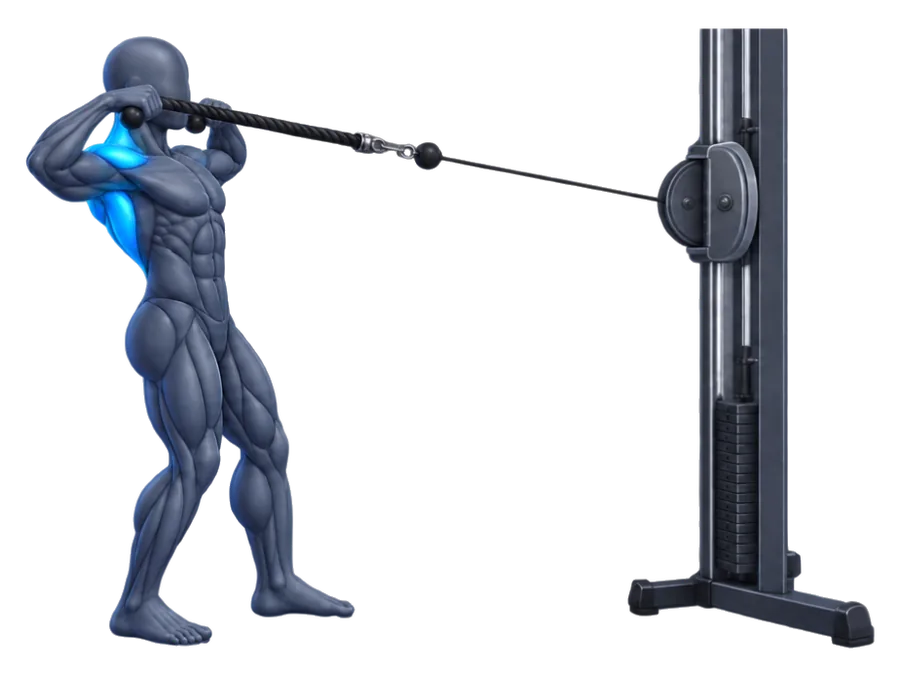
How to Do the Reverse Dumbbell Fly
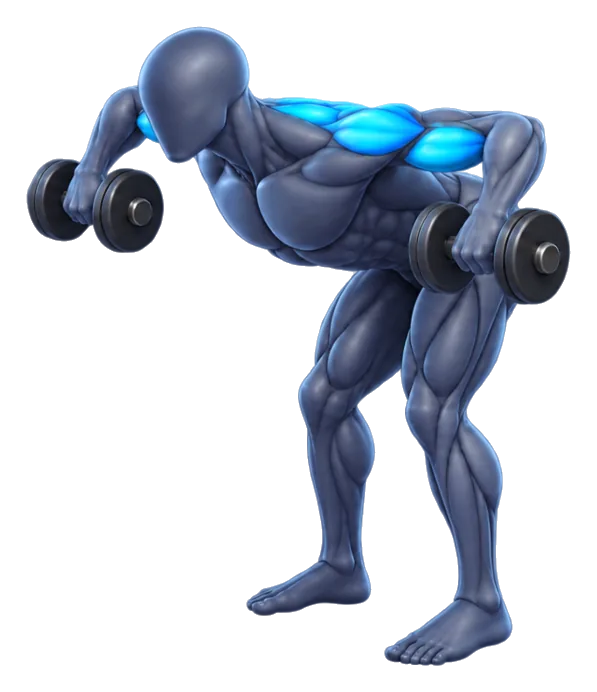
The reverse dumbbell fly has you bend forward and raise dumbbells out to the sides, hitting your rear delts and upper back. It suits lifters whose pressing-heavy training has left their rear shoulders behind, and anyone working on posture.
 Log every set of your Reverse Dumbbell Fly in Superlift
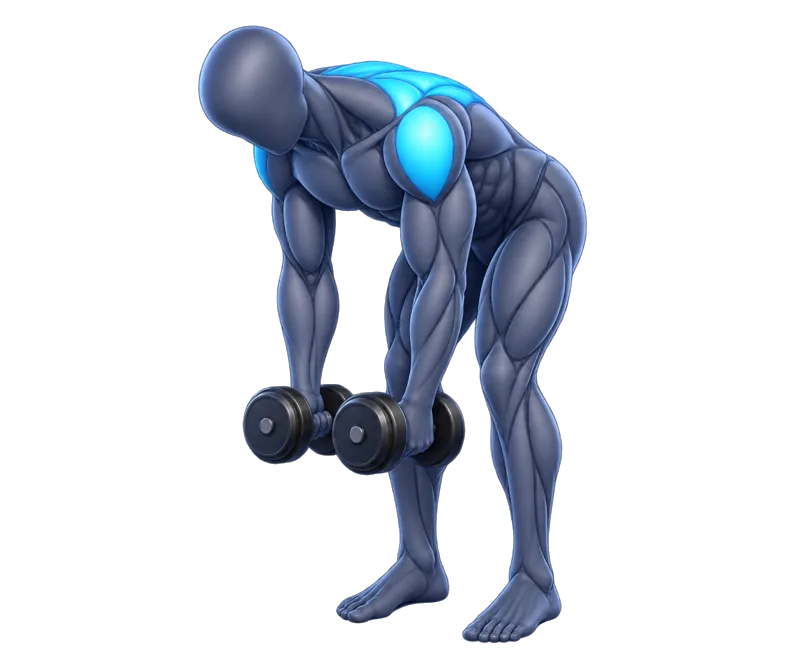
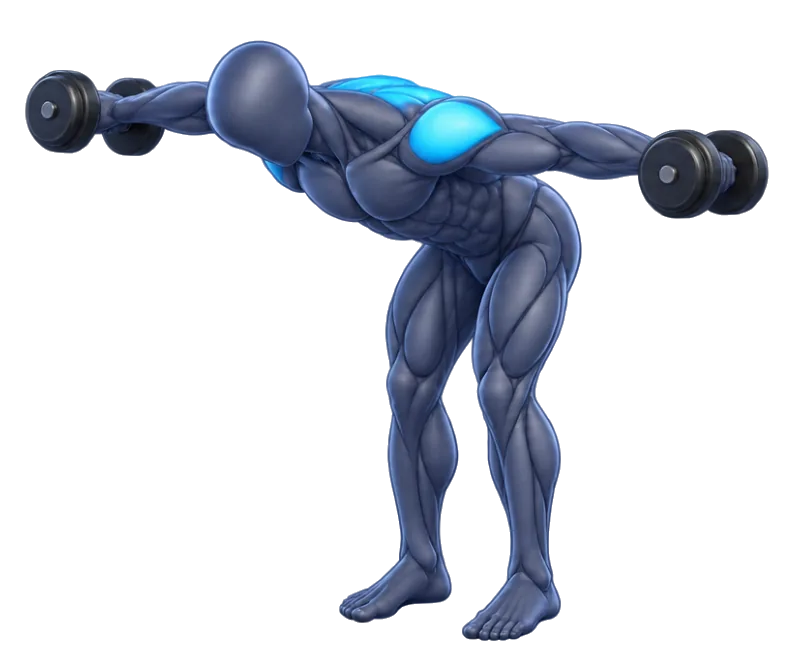
Muscles worked
Primary
- Rear Delts
Secondary
- Upper Back
How to do the Reverse Dumbbell Fly
- 1
Hinge at your hips with a flat back and let dumbbells hang beneath you.
- 2
Soften your elbows slightly and keep your neck neutral.
- 3
Raise the dumbbells out to your sides in a wide arc.
- 4
Stop when your arms are about parallel to the floor.
- 5
Squeeze your rear delts at the top.
- 6
Lower the dumbbells slowly.
- 7
Keep your torso still the whole time.
Form cues to remember
- Lead with your elbows
- Arms wide, not behind you
- Keep your torso still
- Lower slowly
Reverse Dumbbell Fly video tutorial
Common mistakes
Using momentum
Lower the weight and hold your torso still.
Shrugging your traps
Keep your shoulders down so your rear delts do the lifting.
Rowing instead of flying
Keep a slight elbow bend and move your arms wide, not back.
Rounding the back
Hinge from your hips and keep your spine flat.
Sets and reps
| Muscle growth | 3–4 sets of 12–20 reps, 60 seconds rest |
|---|---|
| Endurance | 2–3 sets of 15–25 reps with light dumbbells |
Use light weights since the move is small and easy to cheat. Keep your back flat so your lower back is not strained.
Superlift for iPhone
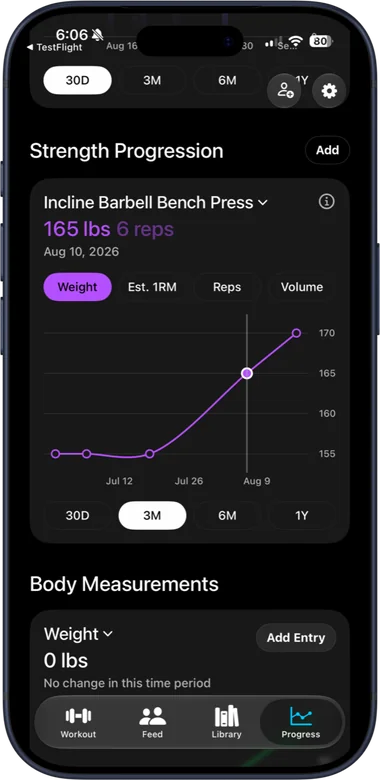
Track your Reverse Dumbbell Fly and watch it go up
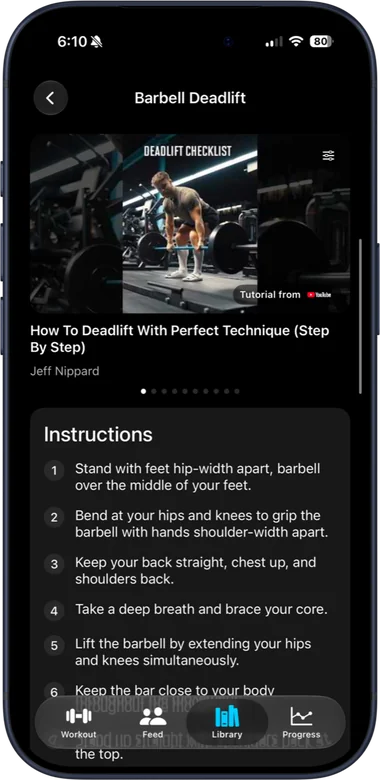
Superlift shows what you lifted last time, times your rest, and charts your strength week by week, so you always know what to beat. Every exercise in this library is built in, with the same demos and tutorials.
Reverse Dumbbell Fly FAQ
What muscles does the reverse fly work?
It targets your rear delts, with your upper back and rhomboids helping. Your lower back works to hold the bent-over position.
How heavy should reverse flys be?
Light enough for 12–20 clean reps. Rear delts are small, so heavy weights usually lead to cheating.
Can I do reverse flys seated or on a bench?
Yes. Sitting or lying chest-down on an incline bench removes your lower back from the equation and helps you stay strict.