How to Do the Cable Shrug
The cable shrug uses a low pulley, so the resistance stays constant from the bottom to the top of the lift. It is a gentle, smooth way to train your upper traps, especially if heavy dumbbells wear out your grip first.
 Log every set of your Cable Shrug in Superlift
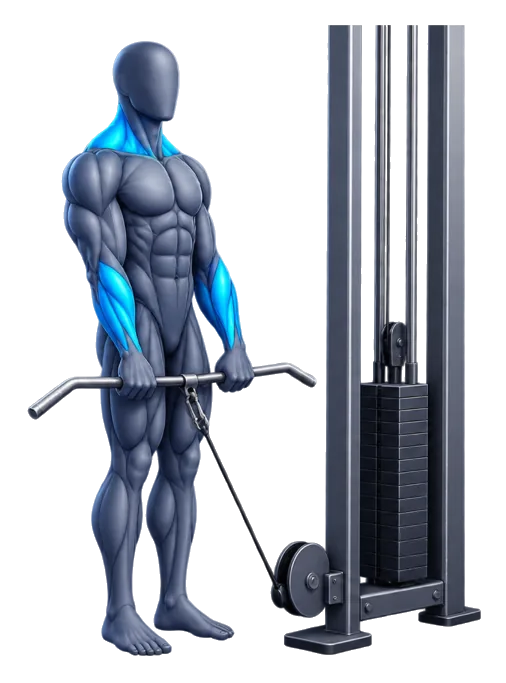
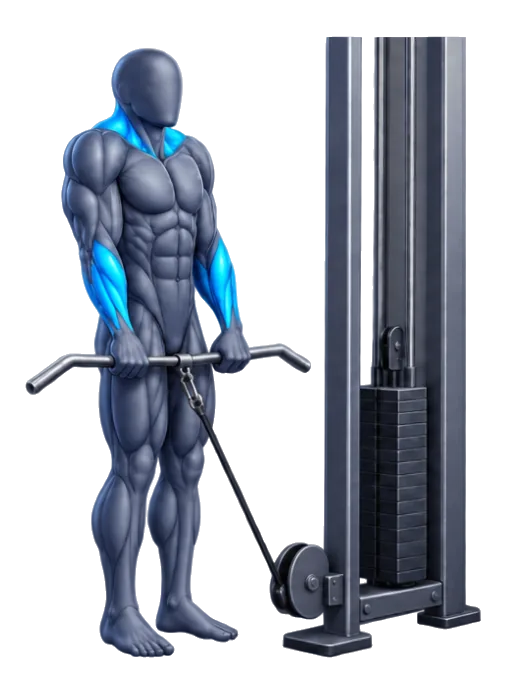
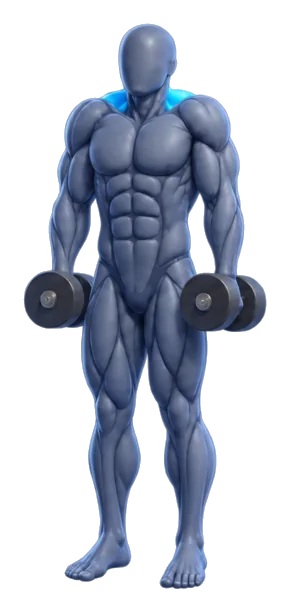
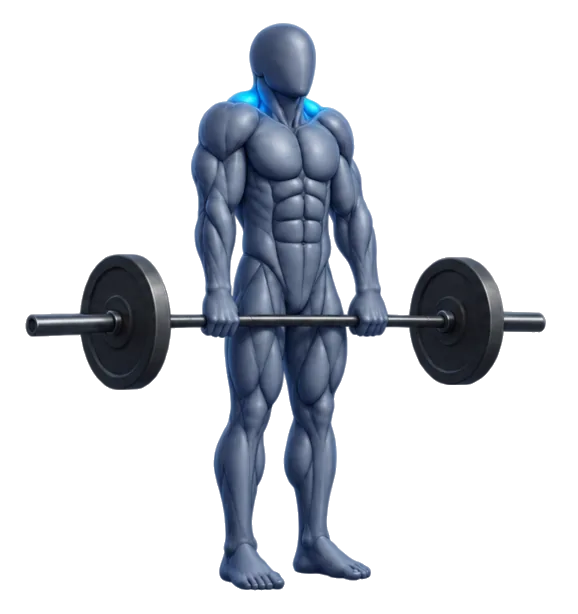
Muscles worked
Primary
- Traps
Secondary
- None to speak of
How to do the Cable Shrug
- 1
Attach a straight bar to a low cable pulley and stand facing the stack.
- 2
Grip the bar overhand at about shoulder width and stand tall.
- 3
Let your arms hang straight with the bar against your thighs.
- 4
Shrug your shoulders straight up toward your ears.
- 5
Pause and squeeze for a second at the top.
- 6
Lower slowly until your shoulders return to the start.
- 7
Repeat without leaning back or bending your arms.
Form cues to remember
- Stay tall, chest up
- Lift shoulders, not elbows
- Hold the squeeze briefly
- Control the descent
Common mistakes
Leaning back to move the bar
Stand upright and lower the weight until the shrug stays clean.
Pulling with the biceps
Keep your arms straight and think about lifting only your shoulders.
Rushing the lowering
Take two to three seconds down to keep tension in the traps.
Stepping too far from the stack
Stand close so the cable path stays vertical.
Sets and reps
| Muscle growth | 3–4 sets of 10–15 reps, 60–90 sec rest |
|---|---|
| Strength | 3 sets of 6–10 reps, 2 min rest |
| Endurance | 2–3 sets of 15–25 reps, 45–60 sec rest |
Stay upright and avoid craning your neck forward at the top. Stop if you feel nerve-type symptoms down your arms.
Superlift for iPhone
Track your Cable Shrug and watch it go up
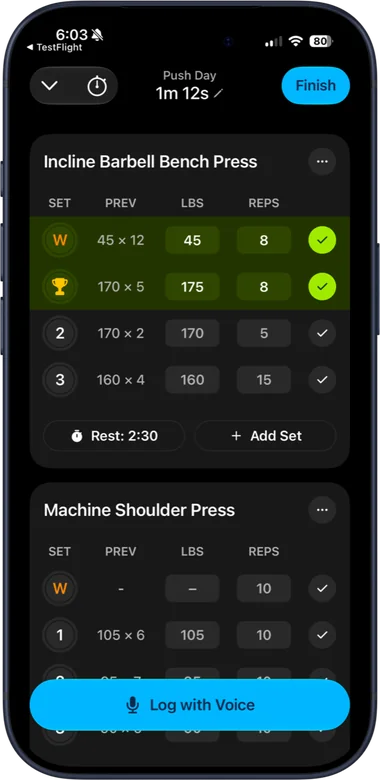
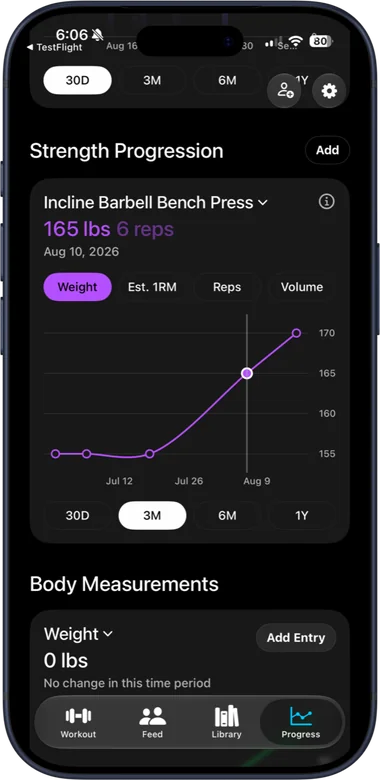
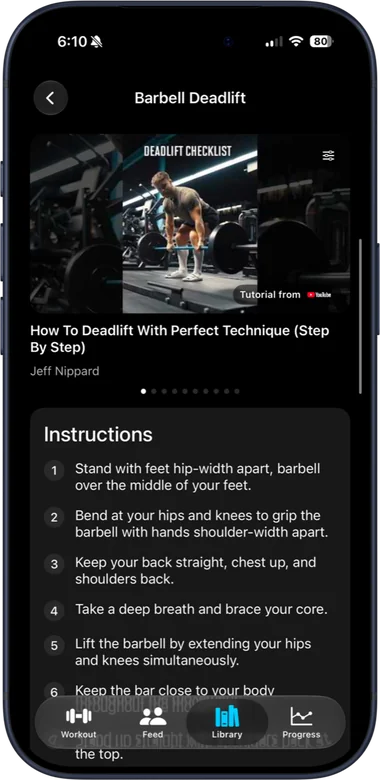
Superlift shows what you lifted last time, times your rest, and charts your strength week by week, so you always know what to beat. Every exercise in this library is built in, with the same demos and tutorials.
Cable Shrug FAQ
Are cable shrugs better than dumbbell shrugs?
Cable shrugs keep tension steady through the whole range, including the bottom, where dumbbells feel lighter. Dumbbells are simpler and easier to set up, so neither is clearly superior.
How heavy should cable shrugs be?
Use a weight that lets you pause at the top for every rep and still finish 10–15 reps without leaning. Grip often limits you first, so straps are fine.
Do shrugs work the whole traps?
Shrugs mostly train the upper traps. Face pulls, rows and rear delt work cover the middle and lower fibers.