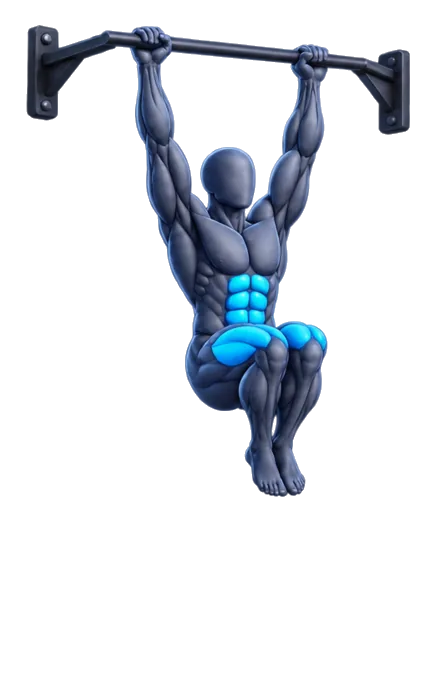
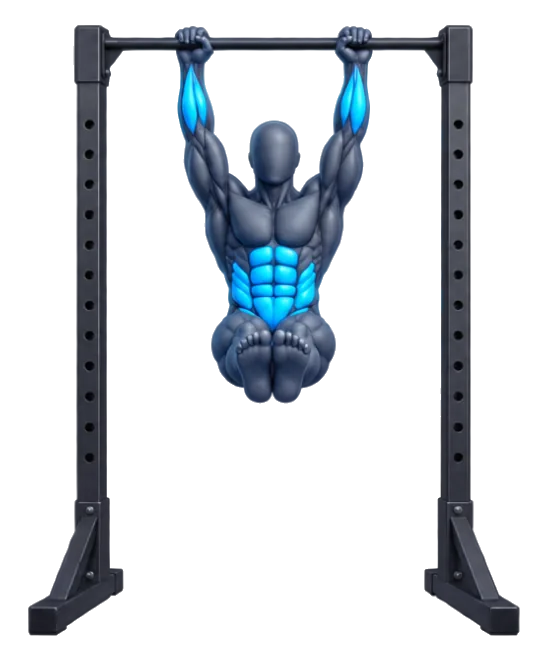
How to Do the V-Up
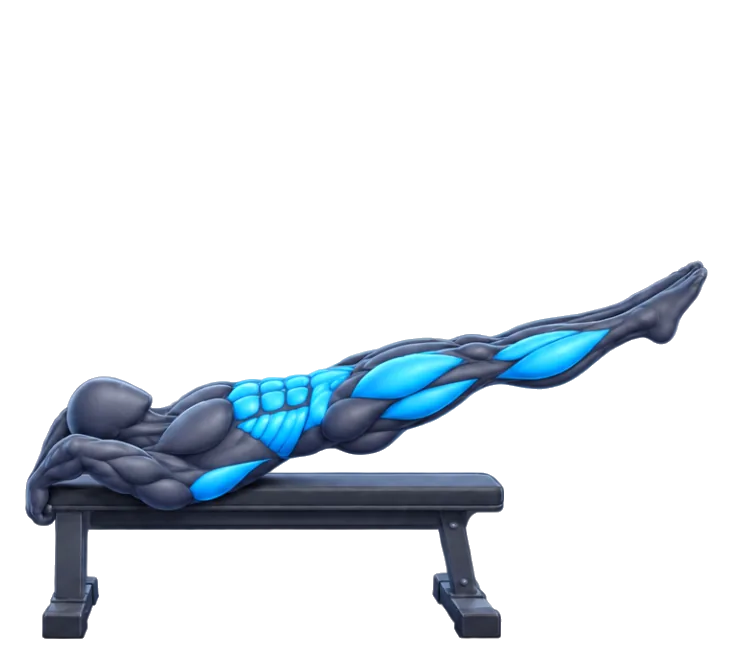
The V-up is a bodyweight core exercise in which you lift your legs and torso at the same time to meet in a V shape. It trains the abs and hip flexors hard and builds coordination and flexibility. It is a step up from basic crunches and leg raises and fits intermediate lifters.
 Log every set of your V-Up in Superlift
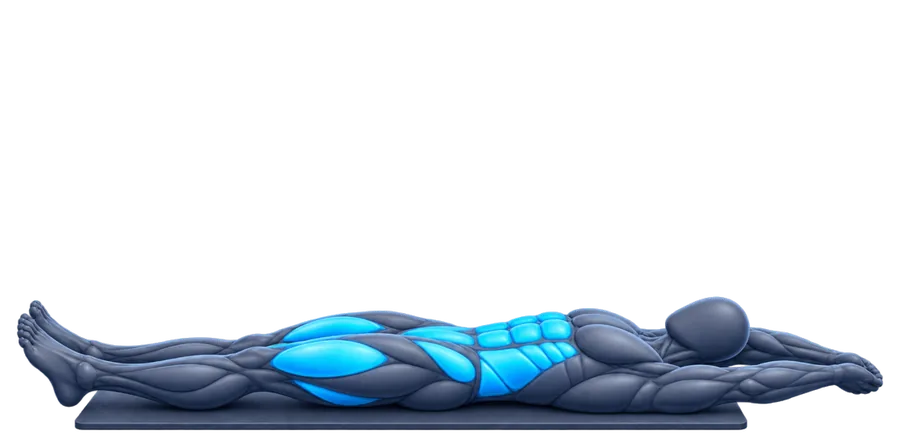
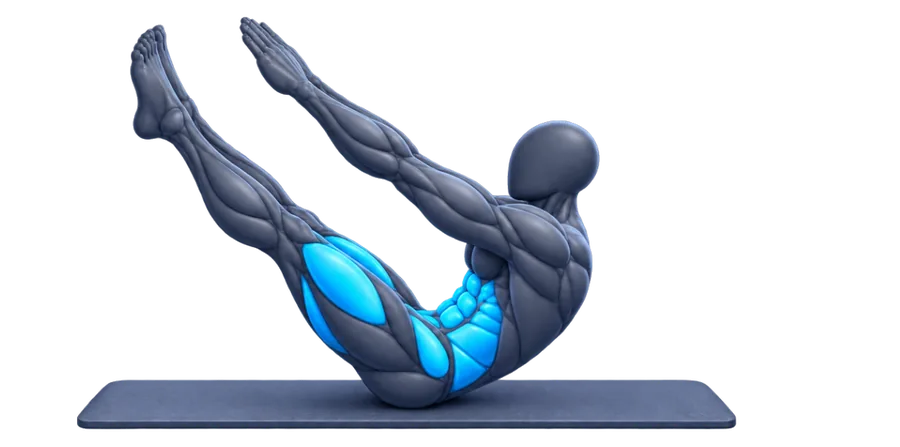
Muscles worked
Primary
- Abs
Secondary
- Hip Flexors
How to do the V-Up
- 1
Lie on your back with your legs straight and your arms extended overhead.
- 2
Brace your abs and press your lower back into the floor.
- 3
Lift your legs and torso at the same time, reaching your hands toward your toes.
- 4
Aim to form a V with your body at the top.
- 5
Pause briefly at the top.
- 6
Lower your arms and legs slowly, stopping just above the floor.
- 7
Repeat without resting your feet or head on the floor.
Form cues to remember
- Legs and torso rise together
- Reach hands toward toes
- Lower slowly, with control
- Keep legs straight if you can
V-Up video tutorial
Common mistakes
Using momentum
Slow the lowering and keep your abs tight.
Bending the knees too much
Bend only as needed; build up to straight legs.
Pulling on the neck
Keep your arms reaching forward, not clasped behind your head.
Flopping to the floor
Hold the lower phase for 2–3 seconds.
Sets and reps
| Endurance | 3 sets of 10–15 reps, 45 sec rest |
|---|---|
| Strength | 3 sets of 6–10 slow reps, 60 sec rest |
If your lower back or hips ache, bend your knees or switch to tuck-ups until your abs can take the load.
Superlift for iPhone
Track your V-Up and watch it go up
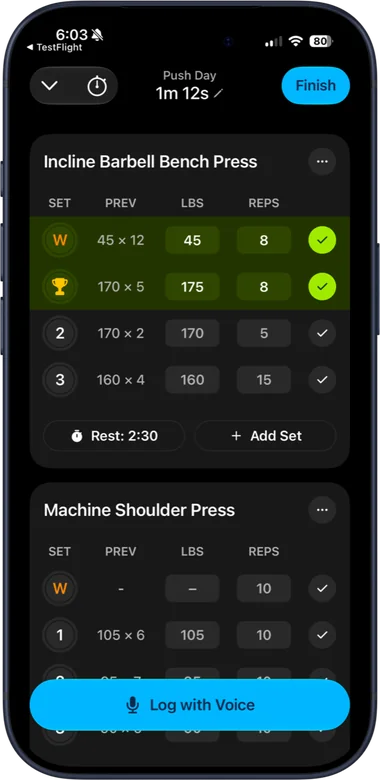
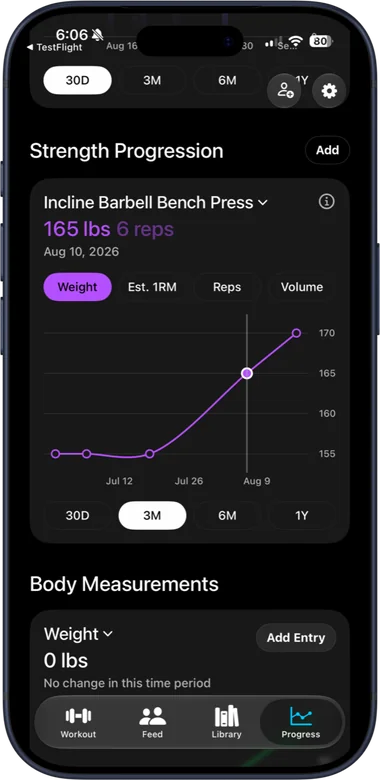
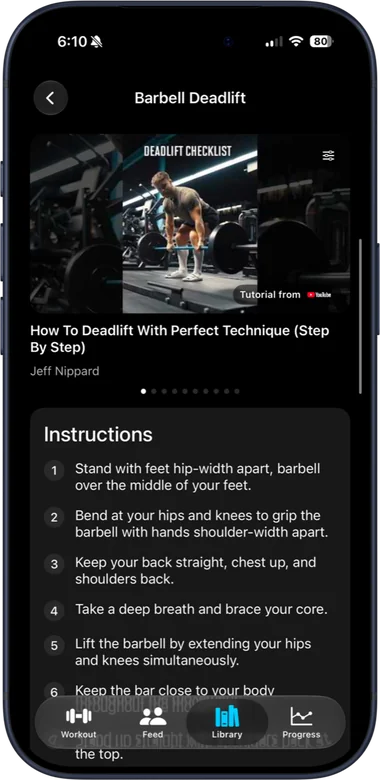
Superlift shows what you lifted last time, times your rest, and charts your strength week by week, so you always know what to beat. Every exercise in this library is built in, with the same demos and tutorials.
V-Up FAQ
What muscles do V-ups work?
The abs, especially the rectus abdominis, with the hip flexors working hard to lift your legs. Your lower abs and obliques assist.
How do I make V-ups easier?
Bend your knees, or do alternate-leg V-ups, lifting one leg at a time. You can also place your hands behind you for support at first.
V-up vs crunch, which is better?
V-ups are harder because you lift both legs and torso. Crunches are easier and gentler on the hips and neck, so beginners should start there.