How to Do the Wrist Roller
The wrist roller is a stick with a rope and weight that you wind up and down with your wrists and forearms. It builds forearm and grip endurance in a way few other tools can. It suits lifters whose grip or forearms lag behind the rest of their body.
 Log every set of your Wrist Roller in Superlift
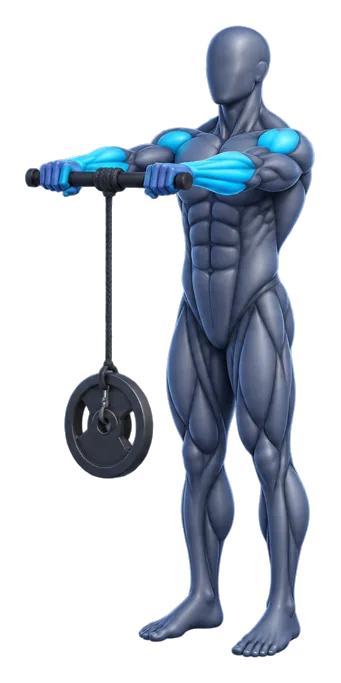
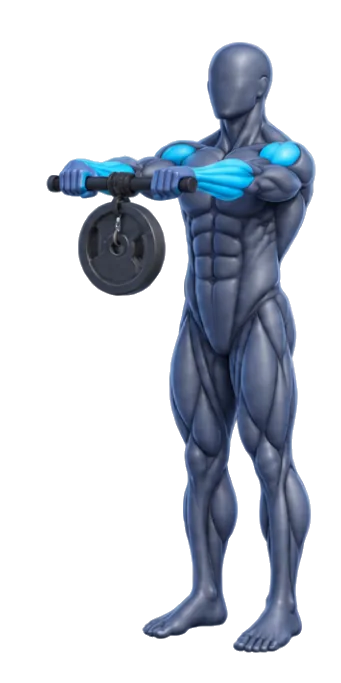
Muscles worked
Primary
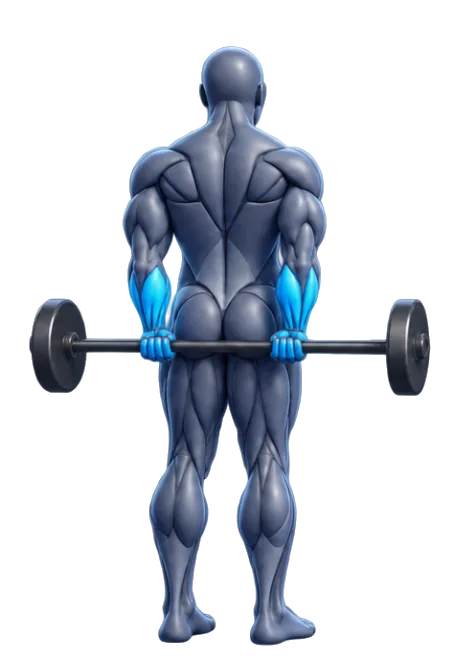
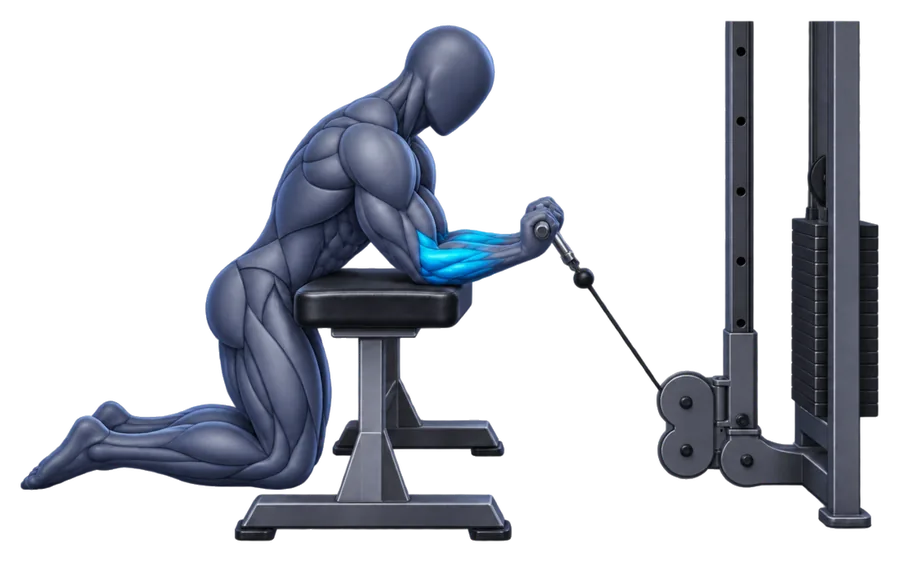
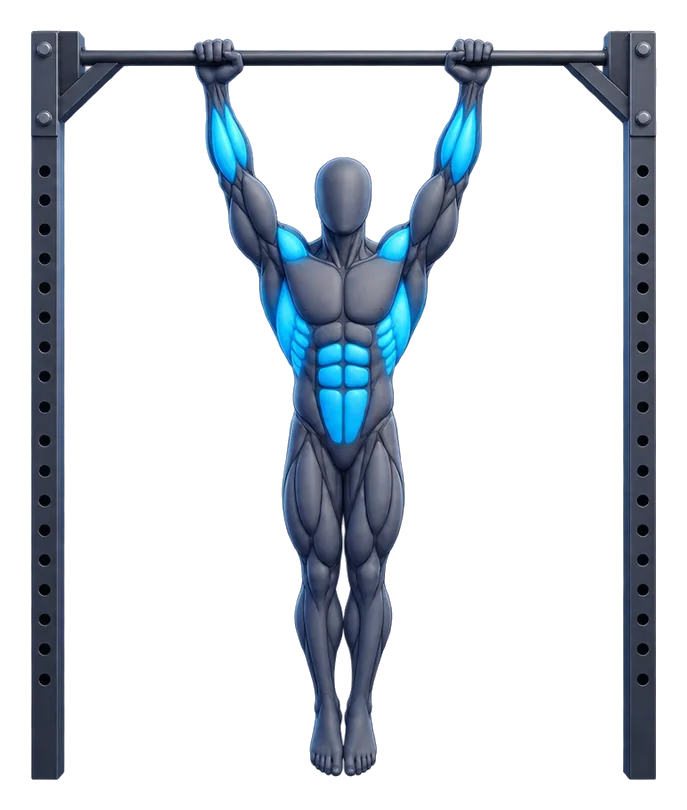
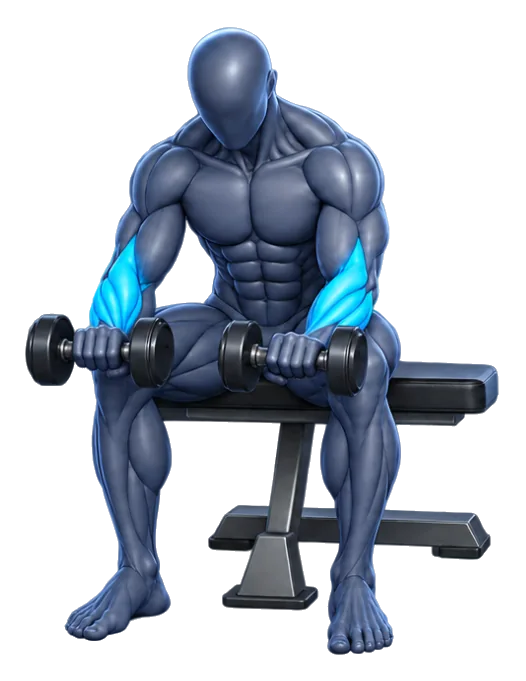
- Forearms
Secondary
- None to speak of
How to do the Wrist Roller
- 1
Attach a light weight to the rope and hold the roller by both ends.
- 2
Stand with arms straight out in front at shoulder height.
- 3
Roll the handle toward you with your wrists, winding the rope up.
- 4
Alternate hands or roll both together, keeping your arms still.
- 5
When the weight reaches the stick, reverse the motion.
- 6
Unroll slowly under control until the weight reaches the floor or end of rope.
Form cues to remember
- Keep arms level and still
- Use your wrists, not your shoulders
- Lower slower than you wind
- Start lighter than you think
Wrist Roller video tutorial
Common mistakes
Using too much weight
Start with 5–10 lb (2–5 kg) and add slowly.
Letting arms drop
Keep your elbows near locked and arms at shoulder height.
Dropping the weight on the way down
Control the descent to work the forearms in both directions.
Rushing reps
Roll steadily and keep tension on your forearms.
Sets and reps
| Muscle growth | 2–3 sets of 1–2 full up-and-down rolls, 90 seconds rest |
|---|---|
| Endurance | 2–3 sets of 2–3 rolls with light weight |
| Strength | 3 sets of one slow roll with a heavier load |
The tendons around your wrists and elbows can get irritated if you ramp up too fast. Keep the weight light and stop if you feel sharp pain.
Superlift for iPhone
Track your Wrist Roller and watch it go up
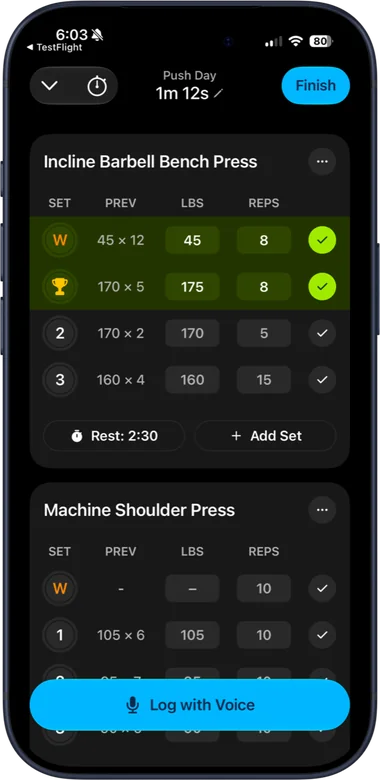
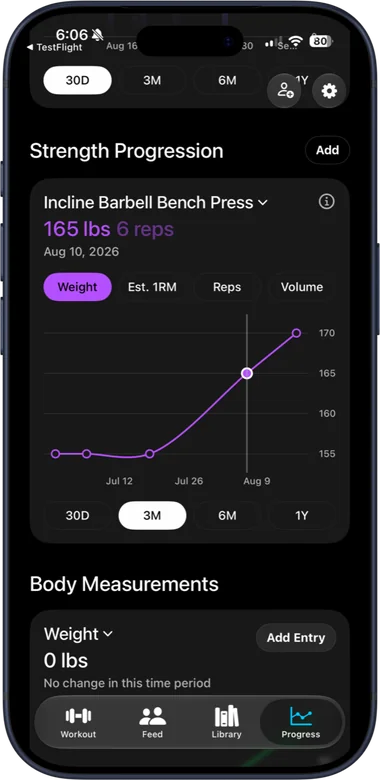
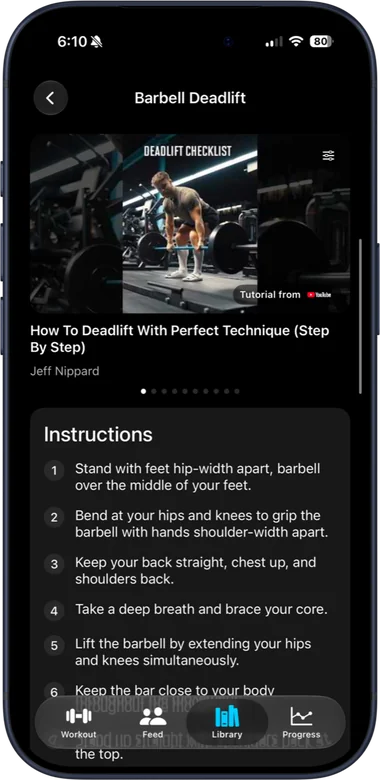
Superlift shows what you lifted last time, times your rest, and charts your strength week by week, so you always know what to beat. Every exercise in this library is built in, with the same demos and tutorials.
Wrist Roller FAQ
What does the wrist roller work?
It trains your forearm flexors and extensors, plus your grip. Your shoulders also work to hold the stick up.
Wrist roller vs. wrist curl?
The roller works both directions of wrist movement in a continuous motion. Wrist curls let you load each direction more precisely.
How often should I do wrist roller?
Once or twice a week is plenty. Forearms recover quickly but their tendons need gradual progress.