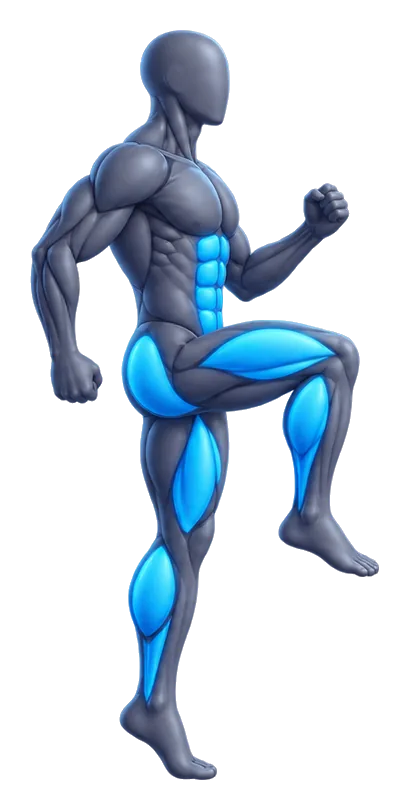
How to Do the Air Runner
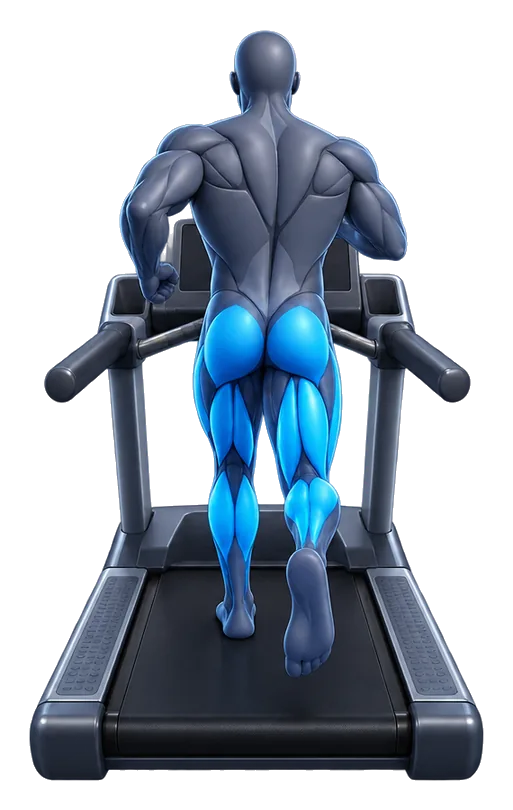
The air runner is a curved, self-powered treadmill that you drive with your own effort, so the belt matches your pace. It makes running feel harder and trains your quads and hamstrings through short sprints. It suits intermediate lifters who want high-intensity cardio.
 Log every set of your Air Runner in Superlift
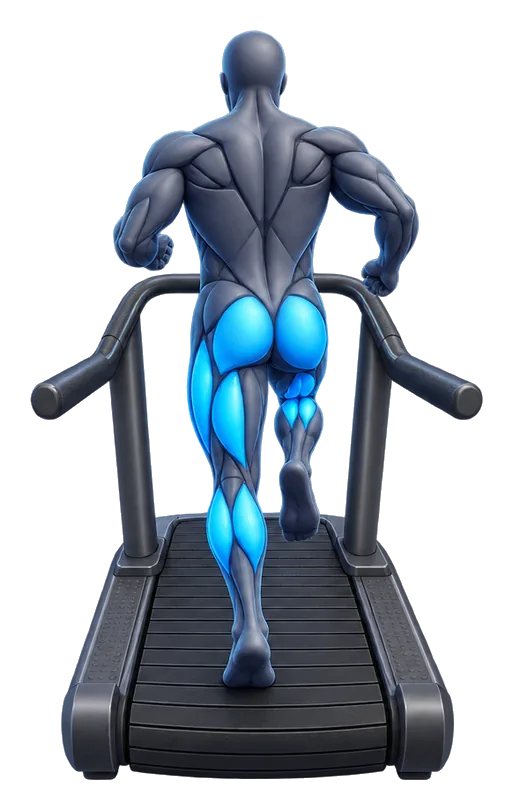
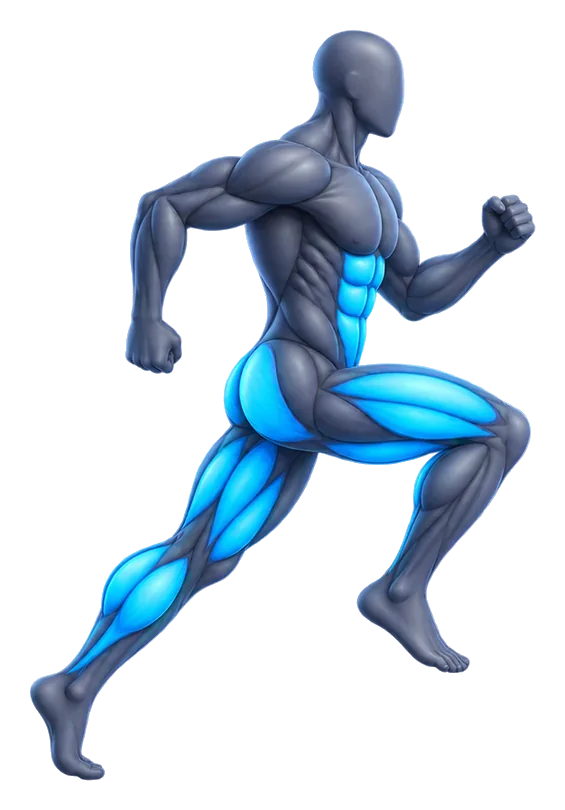
Muscles worked
Primary
- Quads
- Hamstrings
Secondary
- Calves
- Glutes
How to do the Air Runner
- 1
Step onto the belt and hold the handles to get started.
- 2
Lean slightly forward so the belt begins to move.
- 3
Drive through your feet to power the belt.
- 4
Settle into a steady running pace, landing under your hips.
- 5
Increase your effort to run faster; the belt matches your pace.
- 6
Hold your target time or intervals.
- 7
Slow your stride gradually until the belt stops before stepping off.
Form cues to remember
- Lean in slightly
- Land under your hips
- Drive the belt back
- Stay tall and relaxed
Air Runner video tutorial
Common mistakes
Leaning too far forward
Keep a slight lean from the ankles and stay tall.
Starting with a sprint
Build speed slowly so you don't slip.
Overstriding
Land closer to your body and use short, quick steps.
Stopping suddenly
Slow your stride gradually before you step off.
Sets and reps
| Conditioning | 6–10 rounds of 20–30 seconds hard, with 40–60 seconds rest |
|---|---|
| Endurance | 10–20 minutes at an easy, steady pace |
The belt moves only as fast as you drive it, so stopping or stumbling can happen quickly; step off carefully. Ease in if you are new, because the calf and hamstring load is high.
Superlift for iPhone
Track your Air Runner and watch it go up
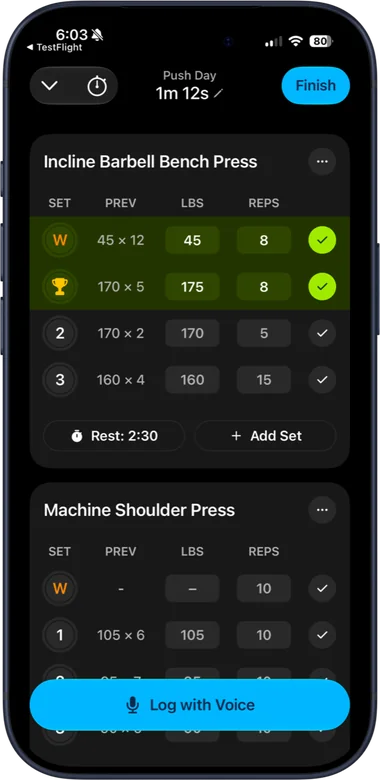
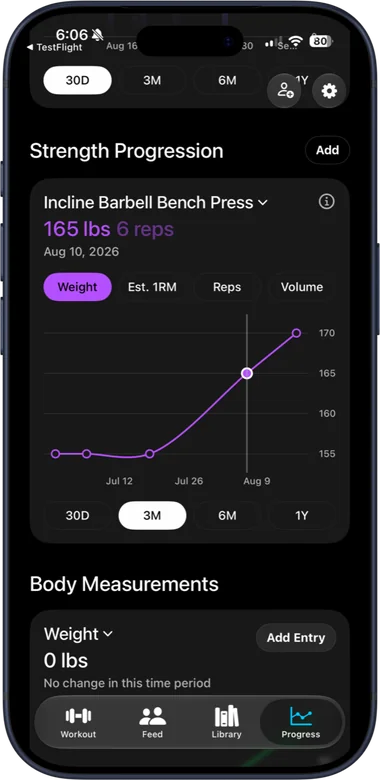
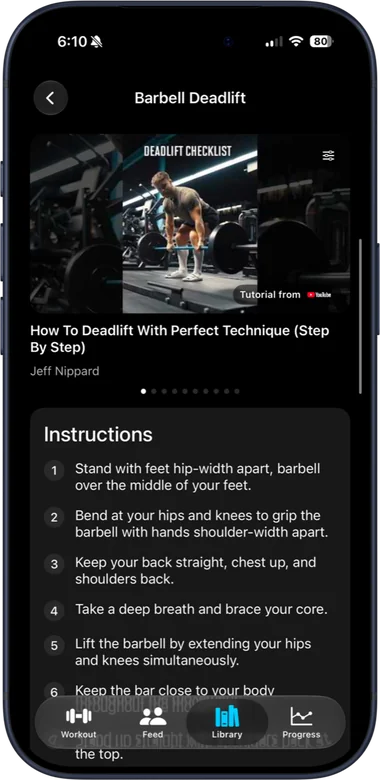
Superlift shows what you lifted last time, times your rest, and charts your strength week by week, so you always know what to beat. Every exercise in this library is built in, with the same demos and tutorials.
Air Runner FAQ
Why is an air runner harder than a regular treadmill?
The belt only moves when you push it, so you do all the work. There is no motor helping you keep the pace.
Is an air runner better than a treadmill?
It forces better running mechanics and is great for intervals, but a motorized treadmill is easier for steady, long runs.
Do I need to hold the handles on the Air Runner?
Only to start and for balance. Once the belt is moving, let go and swing your arms.