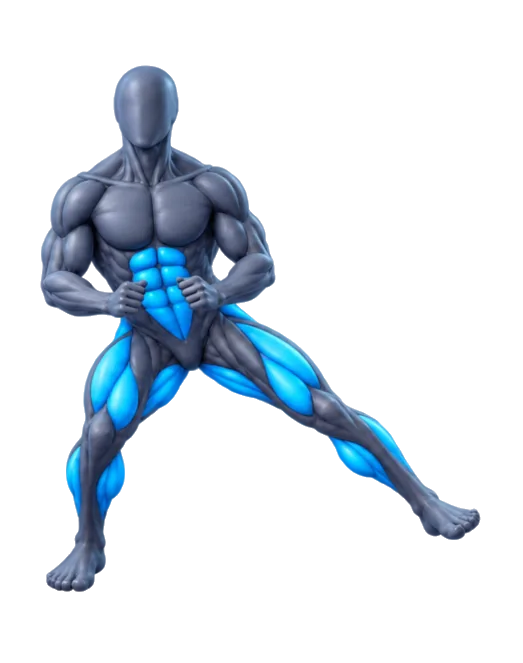
How to Do the Running
Running is the most basic form of cardio and works your legs, lungs, and heart. You can do it outside or on a treadmill, at any pace. It suits anyone who wants to improve endurance, burn calories, or build a fitness base.
 Log every set of your Running in Superlift
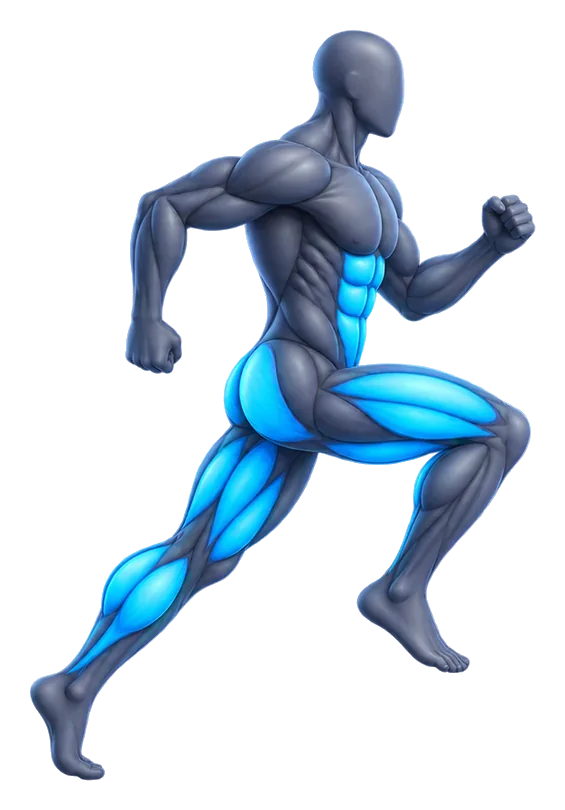
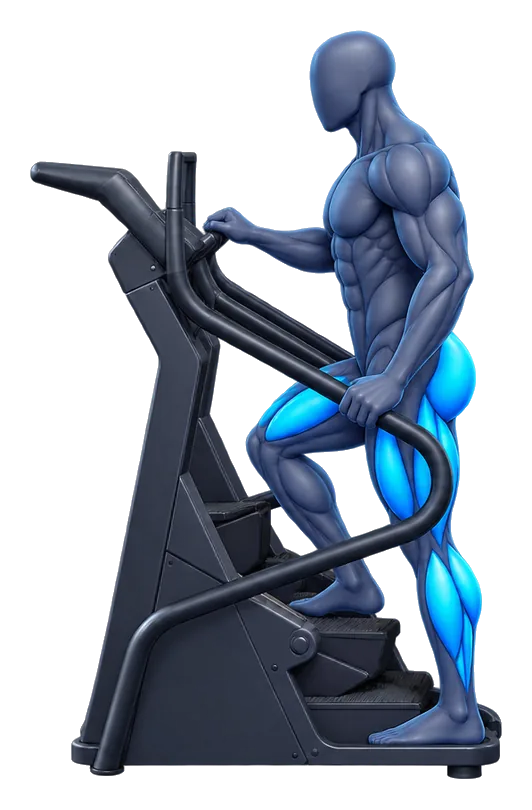
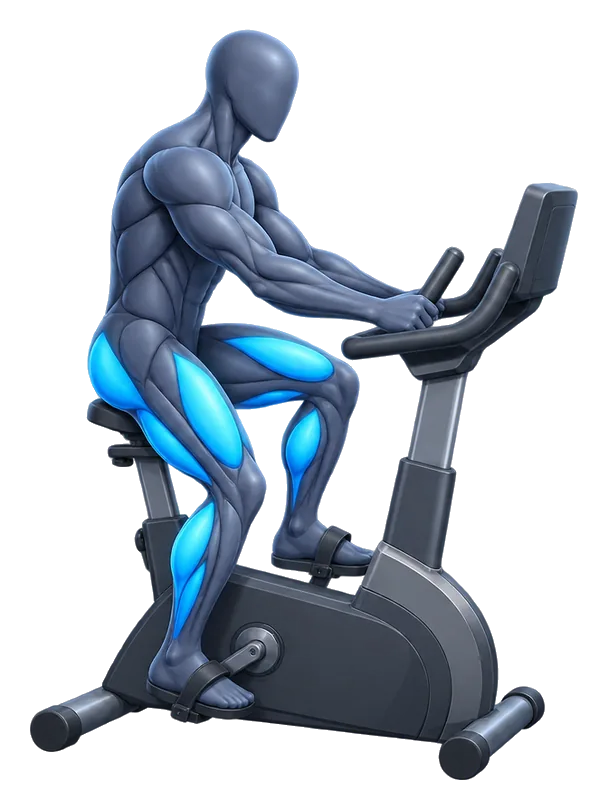
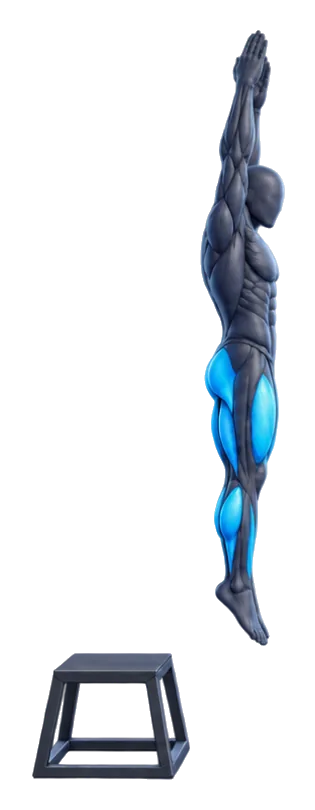
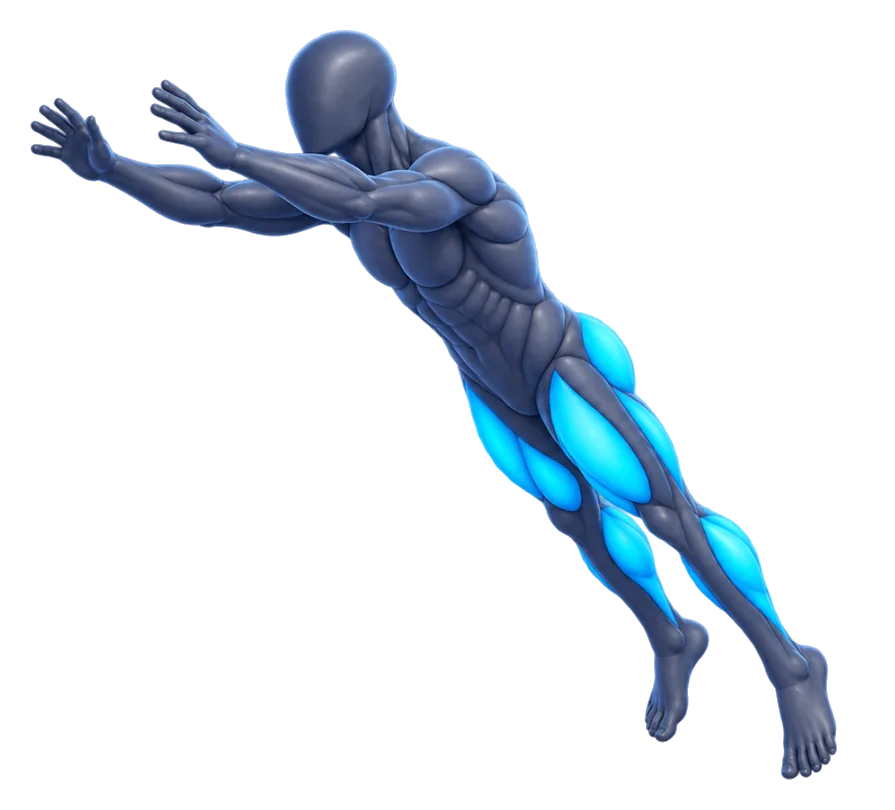
Muscles worked
Primary
- Quads
- Hamstrings
- Calves
- Glutes
Secondary
- Abs
How to do the Running
- 1
Warm up with 5 minutes of walking or an easy jog.
- 2
Stand tall with eyes forward and shoulders relaxed.
- 3
Start at a pace where you can speak in short sentences.
- 4
Land your foot close under your body, not far in front.
- 5
Swing your arms with elbows bent about 90 degrees.
- 6
Keep breathing steady and adjust pace as needed.
- 7
Finish with a few minutes of walking to cool down.
Form cues to remember
- Run tall with relaxed shoulders
- Take short, quick steps
- Swing arms front to back
- Breathe steadily
Running video tutorial
Common mistakes
Starting too fast
Begin at a pace you could hold for a conversation.
Overstriding
Shorten your steps so your foot lands under your hips.
Tense shoulders and fists
Shake out your hands and let your shoulders drop.
Adding distance too quickly
Increase weekly distance or time gradually, a little at a time.
Sets and reps
| Endurance | 20–40 minutes at an easy, conversational pace, 2–4 days a week |
|---|---|
| Conditioning | 6–8 intervals of 1–2 minutes hard with equal easy jogging |
| Mobility | 5–10 minute easy jog as a warm-up |
Running is high-impact, so shin, knee, and foot pain are common when mileage rises too fast. Build slowly, wear fitting shoes, and rest if pain persists.
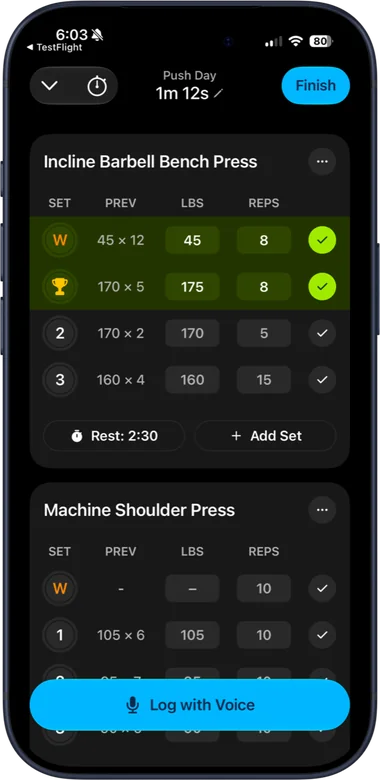
Superlift for iPhone
Track your Running and watch it go up
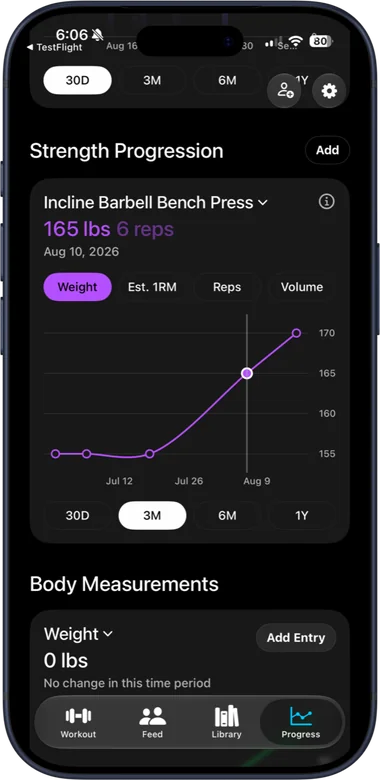
Superlift shows what you lifted last time, times your rest, and charts your strength week by week, so you always know what to beat. Every exercise in this library is built in, with the same demos and tutorials.
Running FAQ
How long should a beginner run for?
Start with 15–20 minutes using run-walk intervals. Build toward 30 minutes as your fitness improves.
What muscles does running work?
It works your quads, hamstrings, calves, and glutes, with your abs helping stabilize your torso.
Is running on a treadmill the same as outside?
They're similar. Treadmills are easier on weather and impact, while outdoor running adds wind and varied terrain.