How to Do the Stairmaster
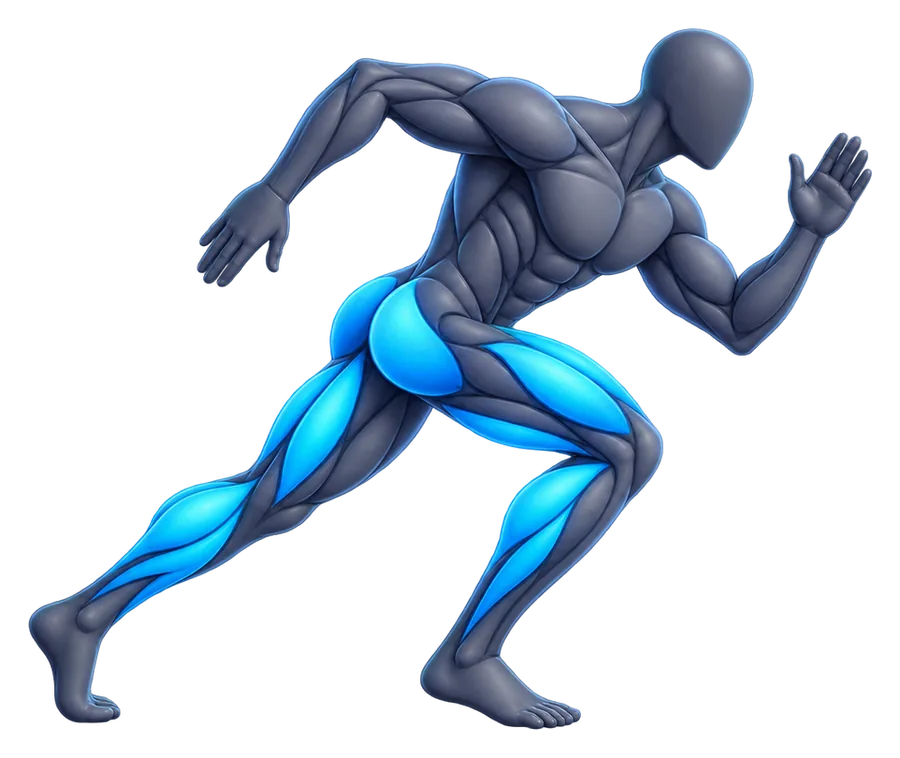
The Stairmaster is a rotating stair machine that has you climb continuous steps. It works your glutes and quads through a long range and builds leg endurance with less impact than running. It is a good option for gym-goers who want a hard cardio session or a leg-focused finisher.
 Log every set of your Stairmaster in Superlift
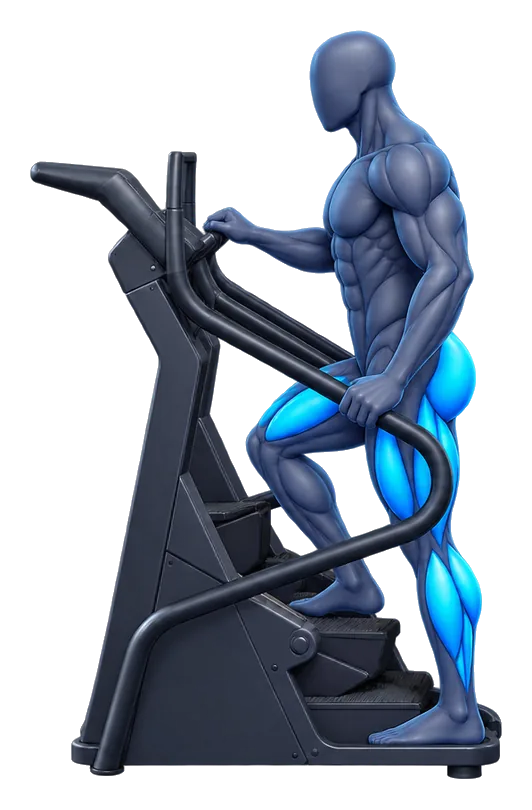
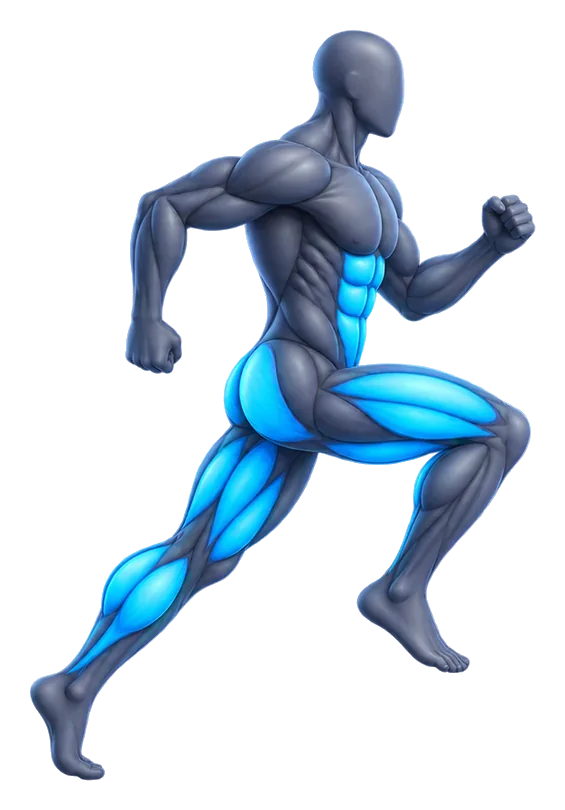
Muscles worked
Primary
- Quads
- Glutes
Secondary
- Calves
- Hamstrings
How to do the Stairmaster
- 1
Step onto the machine and choose a level that feels easy for a warm-up.
- 2
Start stepping at a steady pace.
- 3
Stand tall with your hips under your shoulders.
- 4
Place your whole foot on each step and press through your heel.
- 5
Keep your hands lightly on the rails for balance only.
- 6
Increase the speed gradually as you settle into a rhythm.
- 7
Slow down for the last 2–3 minutes before stepping off.
Form cues to remember
- Stand tall
- Whole foot on the step
- Light hands on the rails
- Steady rhythm
Stairmaster video tutorial
Common mistakes
Leaning on the rails
Lighten your grip so your legs do the work; lower the speed if needed.
Stepping on your toes
Plant your whole foot and push through your heel.
Hunching forward
Stand tall with your chest up and eyes forward.
Skipping a warm-up
Begin with 3–5 easy minutes to prepare your legs.
Sets and reps
| Endurance | 15–30 minutes at a steady, challenging pace |
|---|---|
| Conditioning | 8–10 rounds of 1 minute fast, 1 minute slow |
Avoid leaning on the rails with your full weight and step off carefully while the machine is moving. If your knees bother you, lower the speed.
Superlift for iPhone
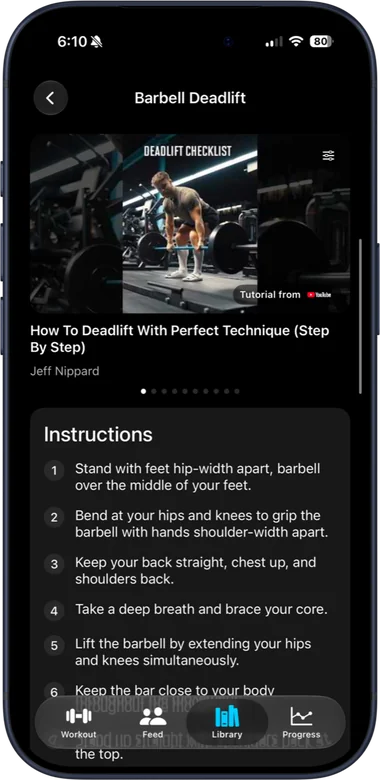
Track your Stairmaster and watch it go up
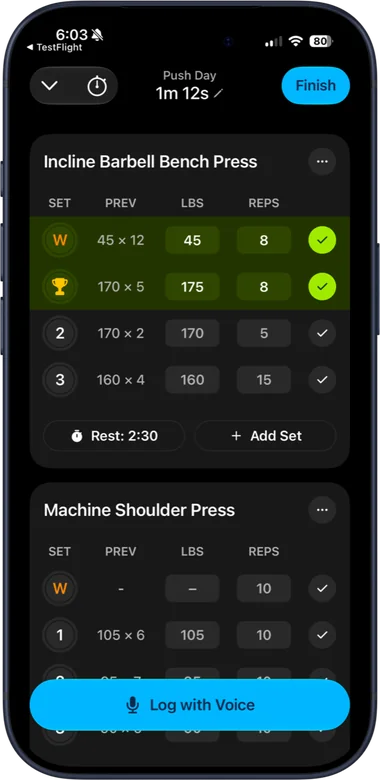
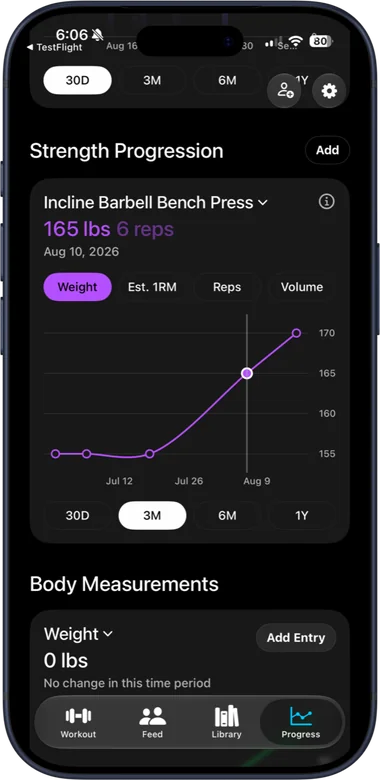
Superlift shows what you lifted last time, times your rest, and charts your strength week by week, so you always know what to beat. Every exercise in this library is built in, with the same demos and tutorials.
Stairmaster FAQ
Does the Stairmaster build glutes?
It works your glutes well, especially if you use a full foot and stand tall. It builds endurance more than max size, so pair it with lifting.
Is the Stairmaster better than running?
It is lower impact and very leg-focused, but it is not better for everyone. Running is easier to progress on distance, and the stairs are great for leg endurance.
Should I hold the handrails on the Stairmaster?
Use them lightly for balance only. Holding on with your full weight takes work away from your legs and can strain your wrists and back.