How to Do the Sprint
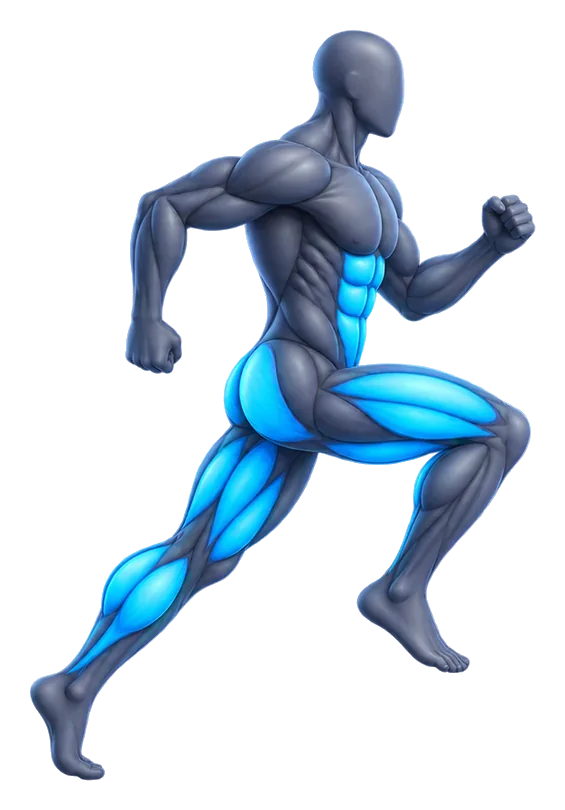
Sprinting is running at maximum effort for a short distance, then fully recovering. It builds speed, power and conditioning and works the glutes, hamstrings and calves hard. Because it is high intensity, warm up well and ease in, even though it needs no equipment.
 Log every set of your Sprint in Superlift
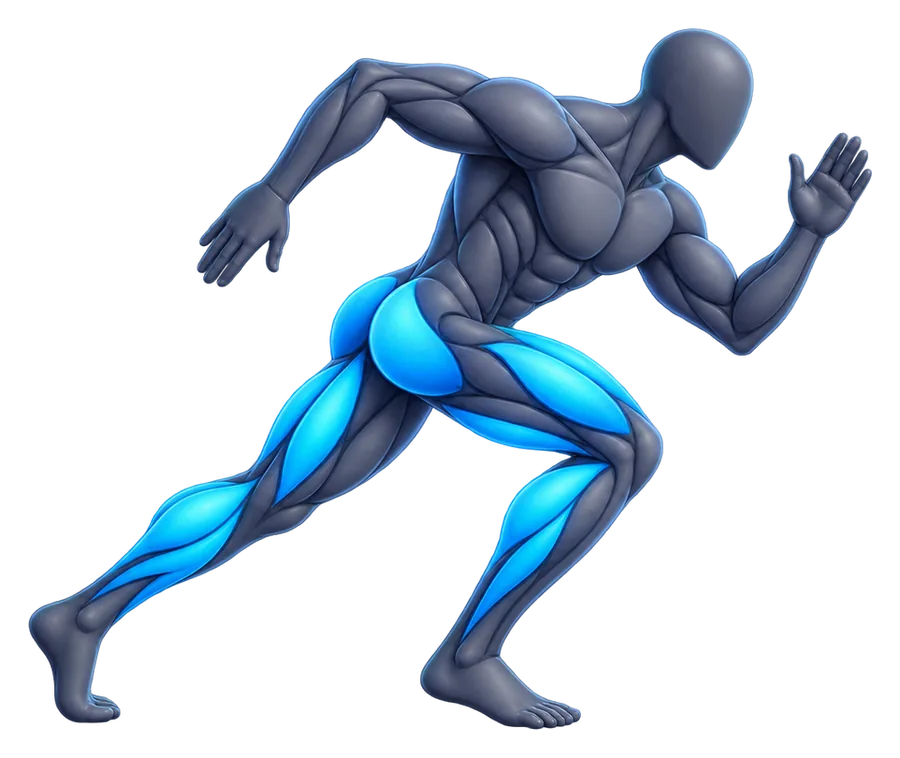
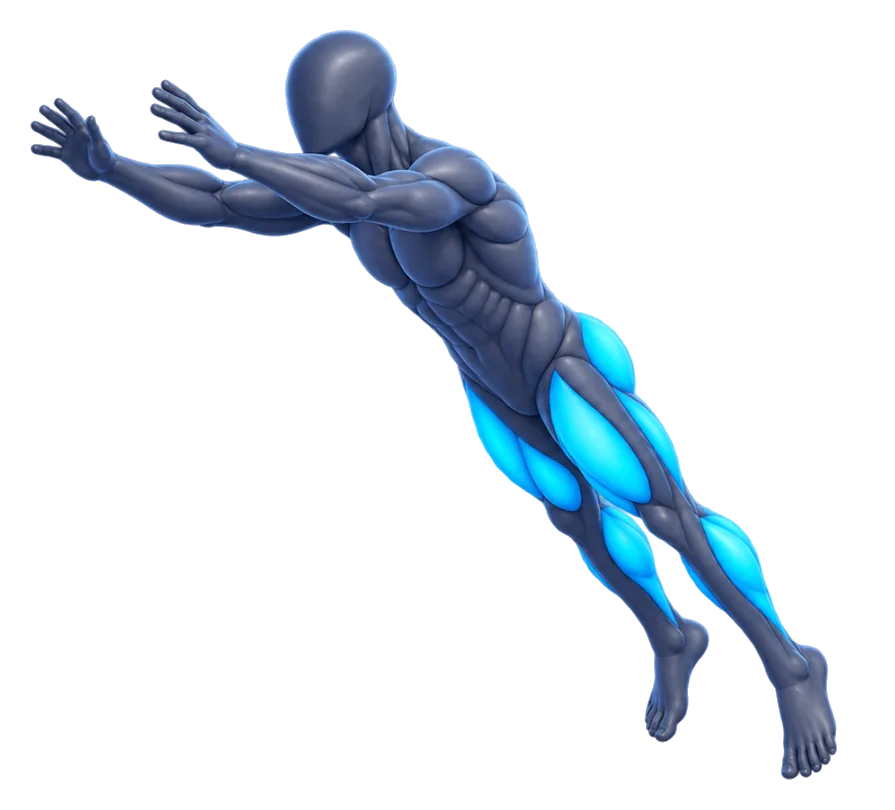
Muscles worked
Primary
- Quads
- Glutes
Secondary
- Hamstrings
- Calves
How to do the Sprint
- 1
Warm up with easy jogging and dynamic drills.
- 2
Start in an athletic stance or crouched position.
- 3
Push off hard and lean forward as you accelerate.
- 4
Drive your knees and pump your arms.
- 5
Rise gradually to an upright posture as you reach top speed.
- 6
Stay relaxed in your face, shoulders and hands.
- 7
Slow down gradually and walk to recover fully before the next sprint.
Form cues to remember
- Drive hard off the ground
- Pump arms, elbows bent 90 degrees
- Stay relaxed in your face
- Slow down gradually after
Common mistakes
Starting without a warm-up
Do a full warm-up with progressive strides first.
Overstriding
Keep your foot landing under your hips.
Tensing the upper body
Relax your shoulders and hands to run faster.
Not resting enough
Recover fully so each sprint stays fast.
Sets and reps
| Conditioning | 6–10 sprints of 10–20 seconds, 1–2 min rest |
|---|---|
| Strength | 4–6 sprints of 20–40 m at near-max effort, full recovery |
Hamstring strains are the main risk, so warm up thoroughly, build up to full effort gradually and stop if you feel a pull.
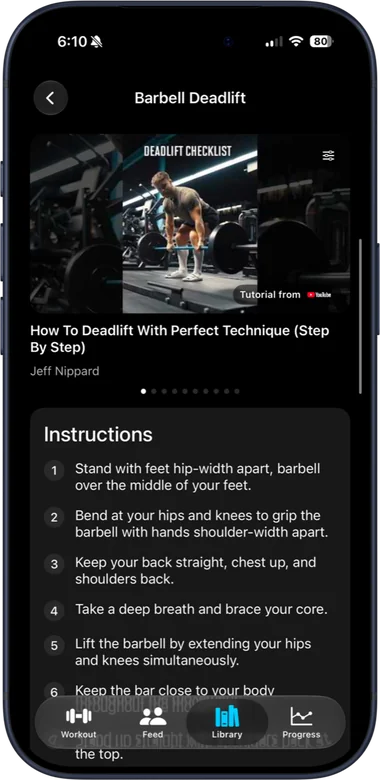
Superlift for iPhone
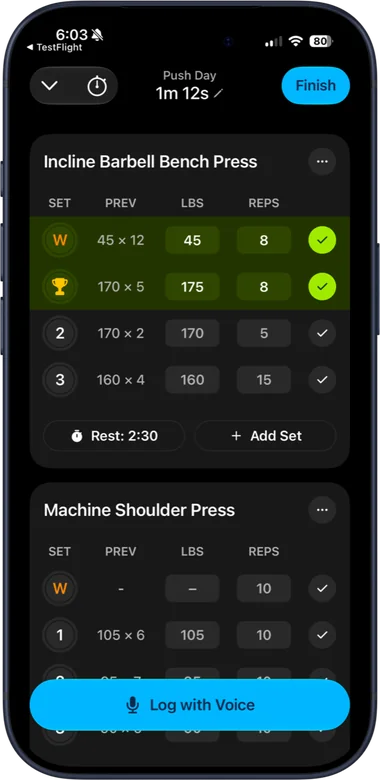
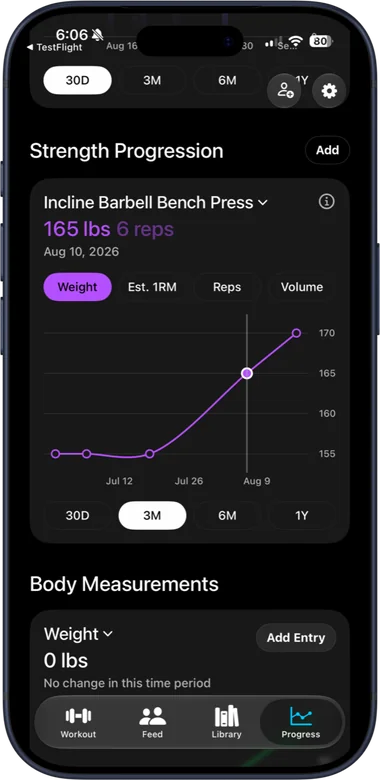
Track your Sprint and watch it go up
Superlift shows what you lifted last time, times your rest, and charts your strength week by week, so you always know what to beat. Every exercise in this library is built in, with the same demos and tutorials.
Sprint FAQ
How long should a sprint be?
Most sprint training uses 10–40 meters (30–130 feet) or about 5–20 seconds. Go long enough to reach top speed but short enough to stay fast.
How much rest should I take between sprints?
Rest long enough to recover so each sprint is fast, often 1–3 minutes or more for longer sprints. If you slow down a lot, rest longer.
Is sprinting good for fat loss and conditioning?
Sprints raise your heart rate and are efficient for conditioning. They are hard, so start with a few and build gradually.