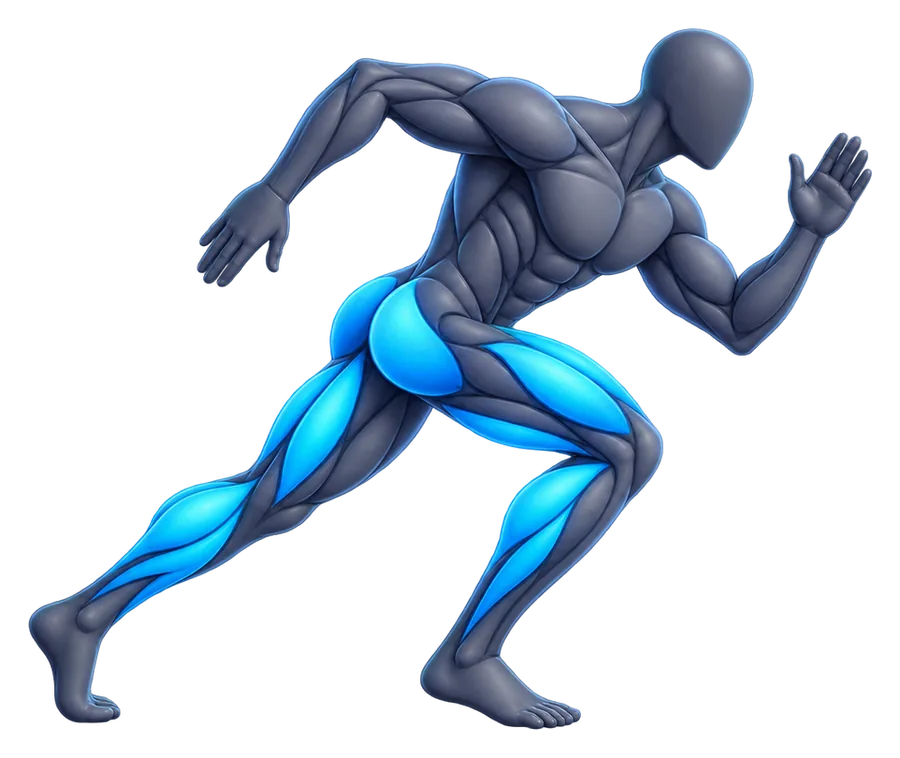
How to Do the Lateral Bound
The lateral bound is a single-leg jump from side to side, landing on the opposite foot and sticking the landing. It builds side-to-side power, balance and glute strength, which helps with cutting and change of direction. It is a plyometric drill best done fresh and on a stable surface.
 Log every set of your Lateral Bound in Superlift
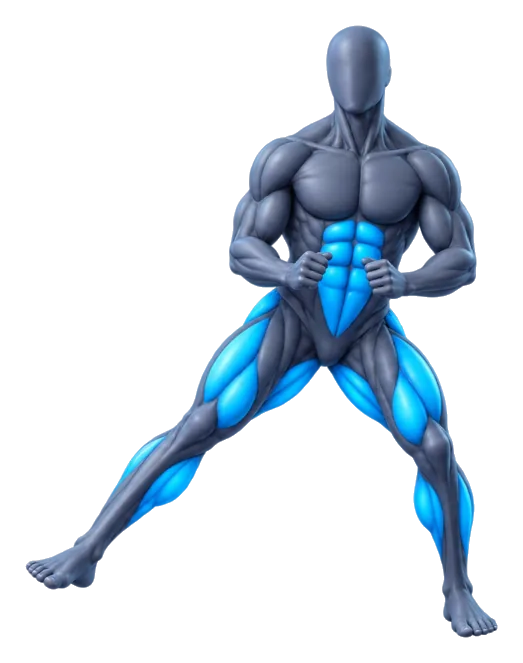
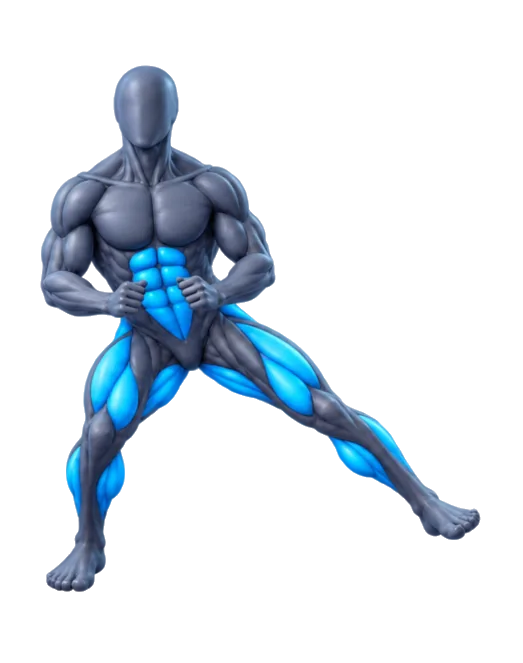
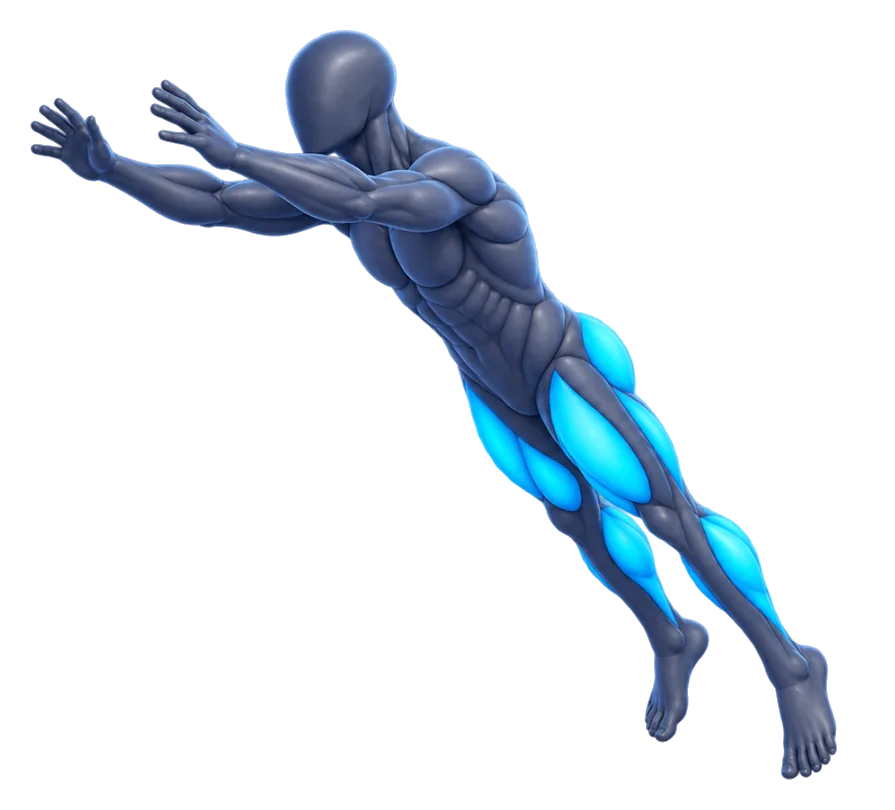
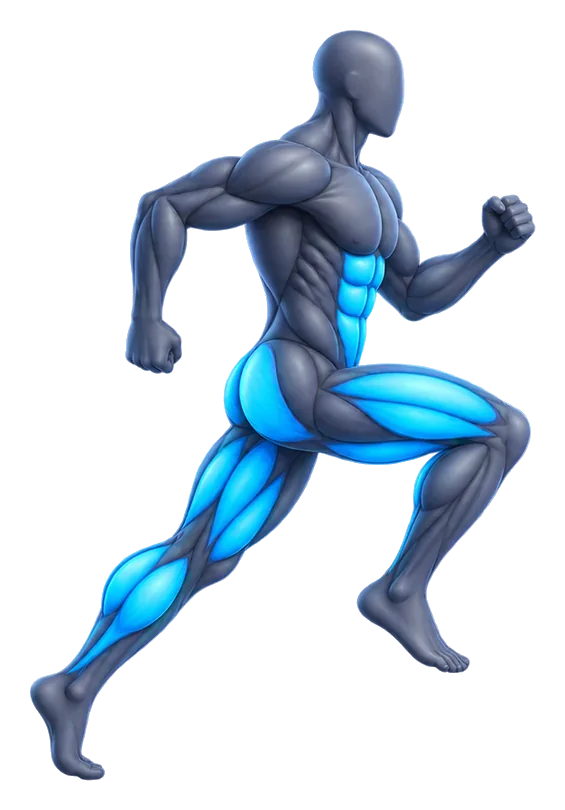
Muscles worked
Primary
- Quads
- Glutes
Secondary
- Calves
- Abs
How to do the Lateral Bound
- 1
Stand on one leg with a slight bend in your knee.
- 2
Push off hard with that leg, jumping sideways.
- 3
Land on the opposite foot with your knee bent.
- 4
Stick the landing and stay balanced for a second.
- 5
Push off again to bound back to the other side.
- 6
Keep your chest up and your hips level.
- 7
Alternate sides for the target reps.
Form cues to remember
- Push off hard and explode sideways
- Stick the landing, knee soft
- Hips level, chest up
- Control, then repeat
Common mistakes
Landing with a stiff knee
Bend your knee and sit your hips back to absorb the landing.
Knee caving in
Push your knee out in line with your toes.
Bouncing without control
Pause on each landing before the next bound.
Jumping too far too soon
Start with shorter bounds and build distance.
Sets and reps
| Conditioning | 3–4 sets of 8–12 total bounds, 45–60 sec rest |
|---|---|
| Strength | 3 sets of 6–8 bounds per side, 60–90 sec rest |
Landing control matters; stop when you can't stick the landing, and use a non-slip surface to protect your ankles and knees.
Superlift for iPhone
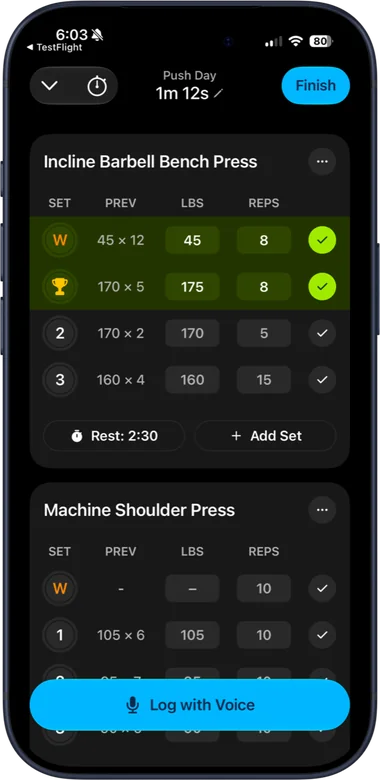
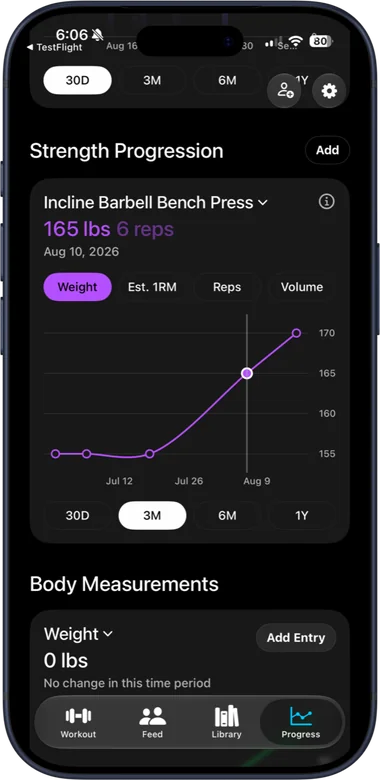
Track your Lateral Bound and watch it go up
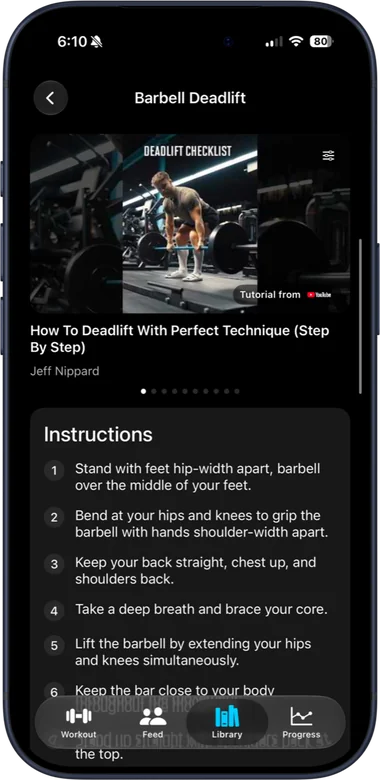
Superlift shows what you lifted last time, times your rest, and charts your strength week by week, so you always know what to beat. Every exercise in this library is built in, with the same demos and tutorials.
Lateral Bound FAQ
What does the lateral bound work?
The glutes, quads and calves, plus the hip stabilizers that keep your knee in line. It trains side-to-side power.
How far should I bound?
Start with a distance you can land and hold. Increase distance as your control improves.
Are lateral bounds good for runners?
They train side-to-side stability and power, which helps with balance and change of direction. Keep volume low and technique tidy.