How to Do the Calf Raise Seated
The seated calf raise bends your knees to 90 degrees, so your soleus does more of the work than in standing raises. It suits anyone who wants thicker lower calves, and it is easy to load on a machine.
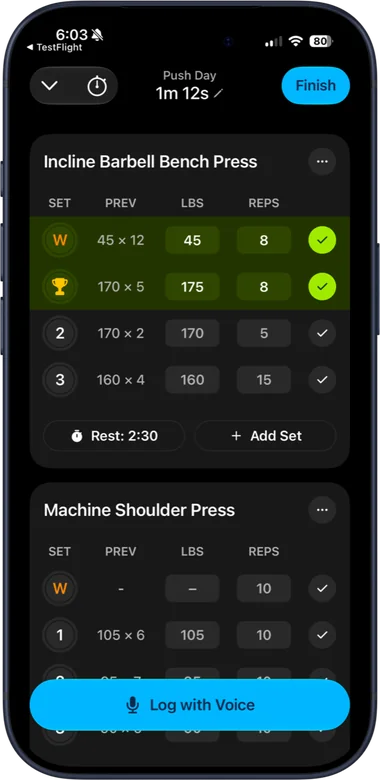
 Log every set of your Calf Raise Seated in Superlift
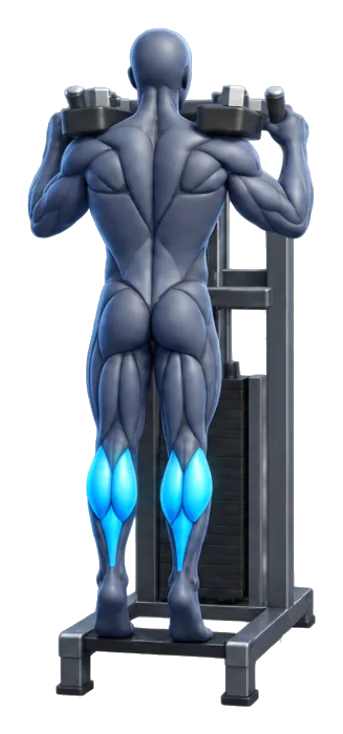
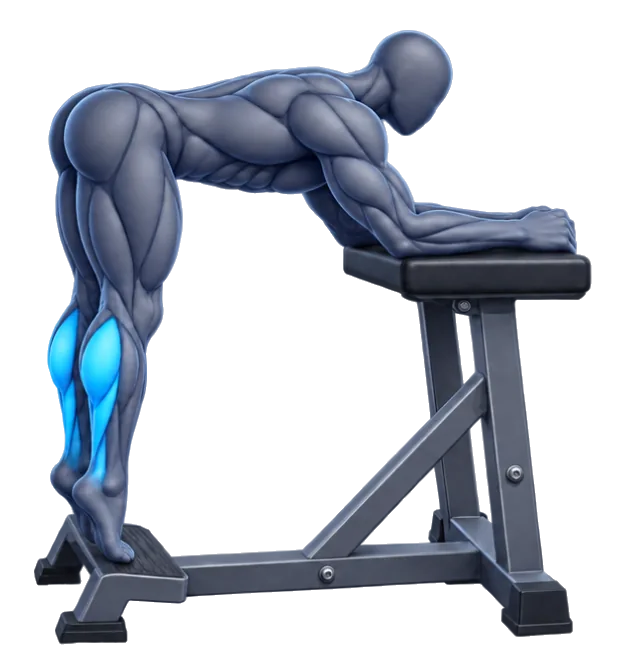
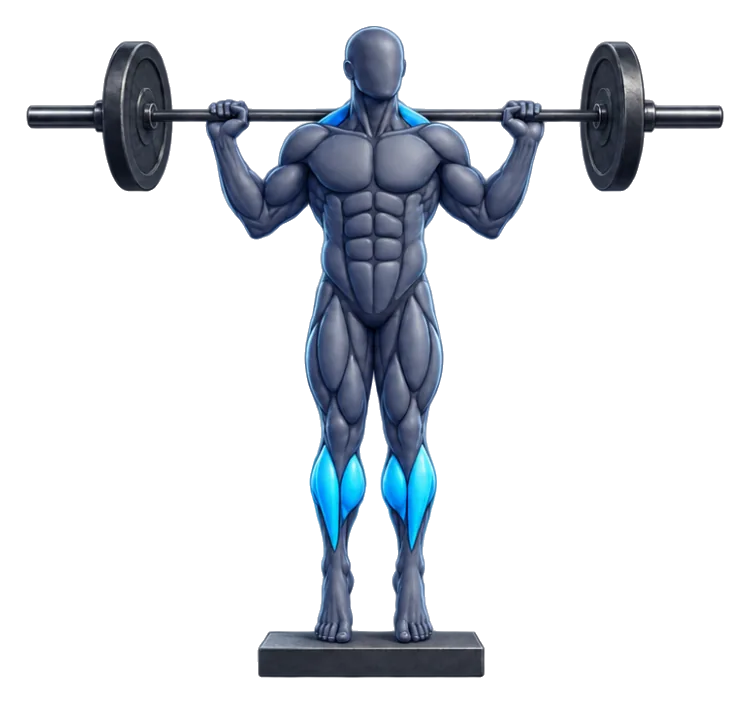
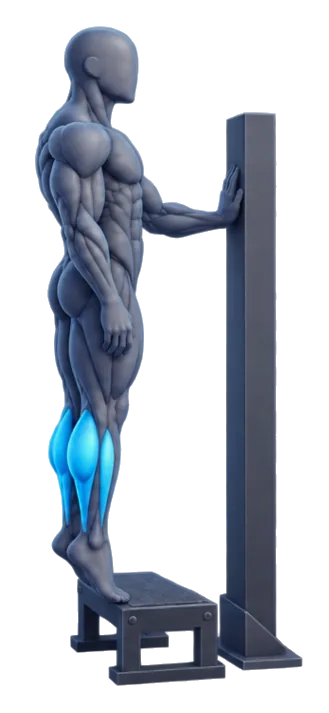
Muscles worked
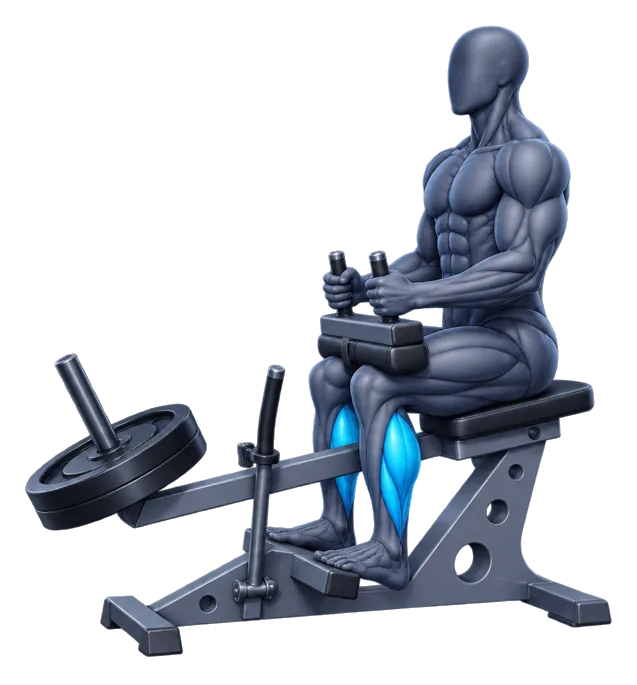
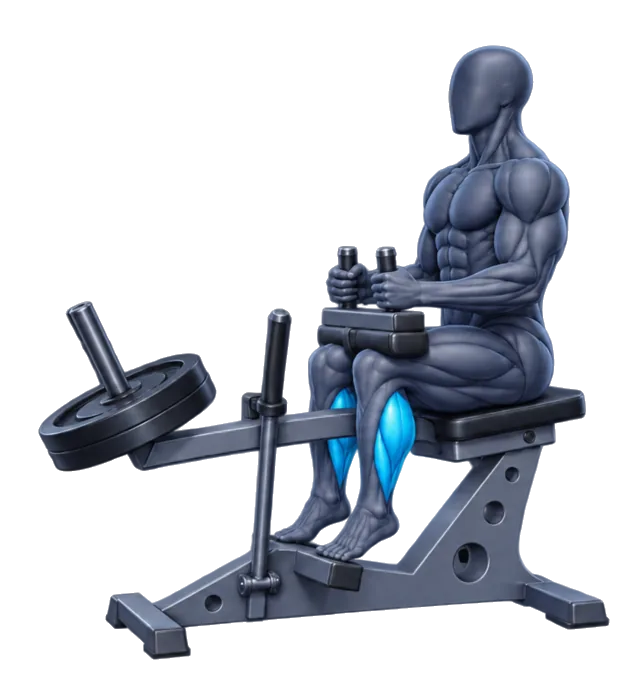
Primary
- Calves
Secondary
- None to speak of
How to do the Calf Raise Seated
- 1
Sit on the machine and place the balls of your feet on the platform.
- 2
Position the pad on your lower thighs, just above your knees.
- 3
Release the safety and lower your heels for a deep stretch.
- 4
Press through the balls of your feet to lift your heels as high as possible.
- 5
Pause briefly at the top.
- 6
Lower slowly back to the stretch.
- 7
Keep your knees still throughout.
Form cues to remember
- Full stretch at the bottom
- Pause at the top
- Lift through the balls of your feet
- Slow, no bouncing
Calf Raise Seated video tutorial
Common mistakes
Bouncing out of the bottom
Pause in the stretch and lift smoothly.
Short range of motion
Lower your heels fully and rise as high as you can.
Rolling to the outside of your feet
Press through the big toe and ball of the foot.
Using too much weight
Choose a load you can lift with a pause at the top.
Sets and reps
| Muscle growth | 3–4 sets of 10–20 reps, 60 seconds rest |
|---|---|
| Endurance | 2–3 sets of 20–30 reps with a light load |
Avoid bouncing at the bottom, which stresses your Achilles tendon. Use a controlled tempo.
Superlift for iPhone
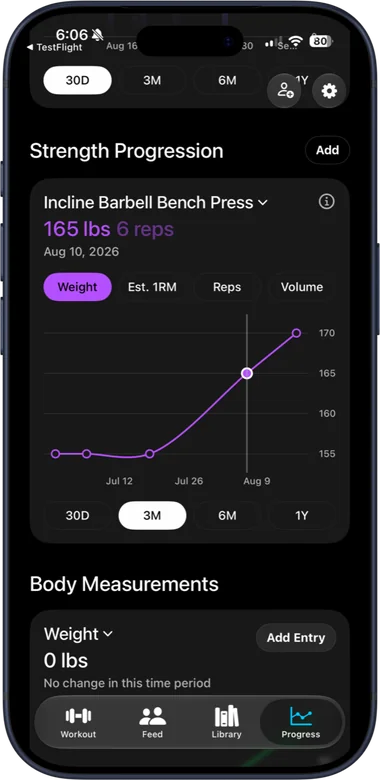
Track your Calf Raise Seated and watch it go up
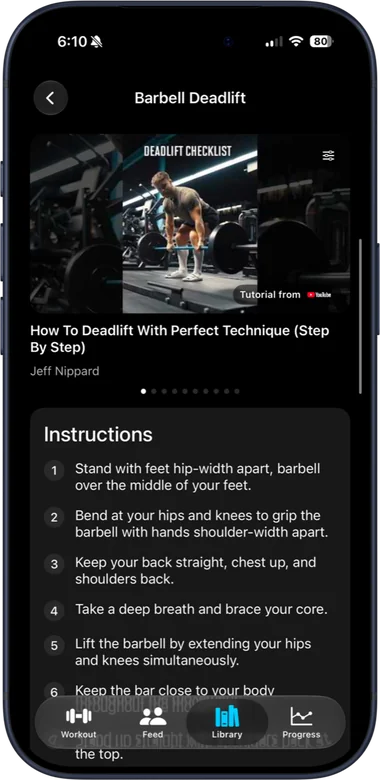
Superlift shows what you lifted last time, times your rest, and charts your strength week by week, so you always know what to beat. Every exercise in this library is built in, with the same demos and tutorials.
Calf Raise Seated FAQ
Seated vs standing calf raise?
Bending your knees takes your gastrocnemius out of the movement and shifts work to your soleus. Standing raises hit both.
What muscles does the seated calf raise work?
It mainly works your soleus, the flat muscle under your calf. Your gastrocnemius is less involved with knees bent.
How many reps should I do on the seated calf raise?
Calves respond well to moderate-to-high reps, often 10–20. Use a full stretch and a pause at the top.