How to Do the Chest Fly (Dumbbell)
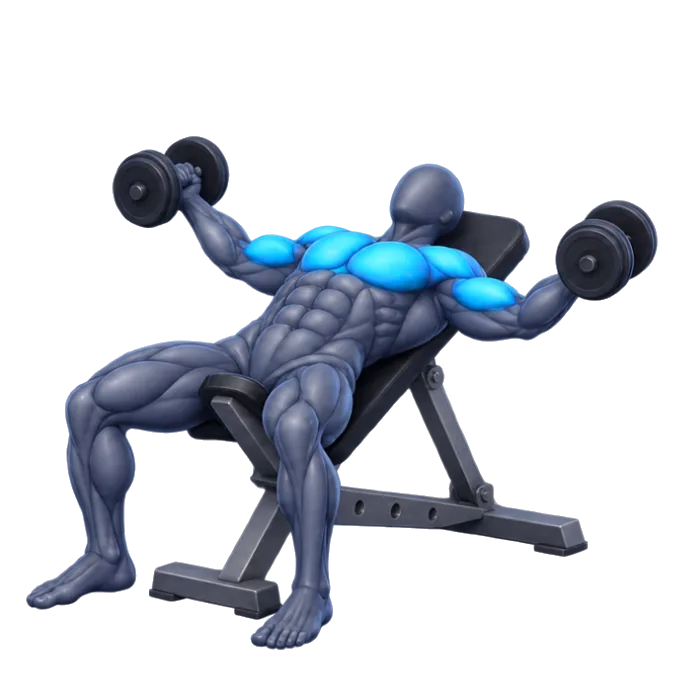
The dumbbell chest fly opens and closes your arms in an arc to stretch and squeeze the pecs. Unlike a press, it is an isolation move that puts less load on the triceps. It suits lifters who want to add chest volume.
 Log every set of your Chest Fly (Dumbbell) in Superlift
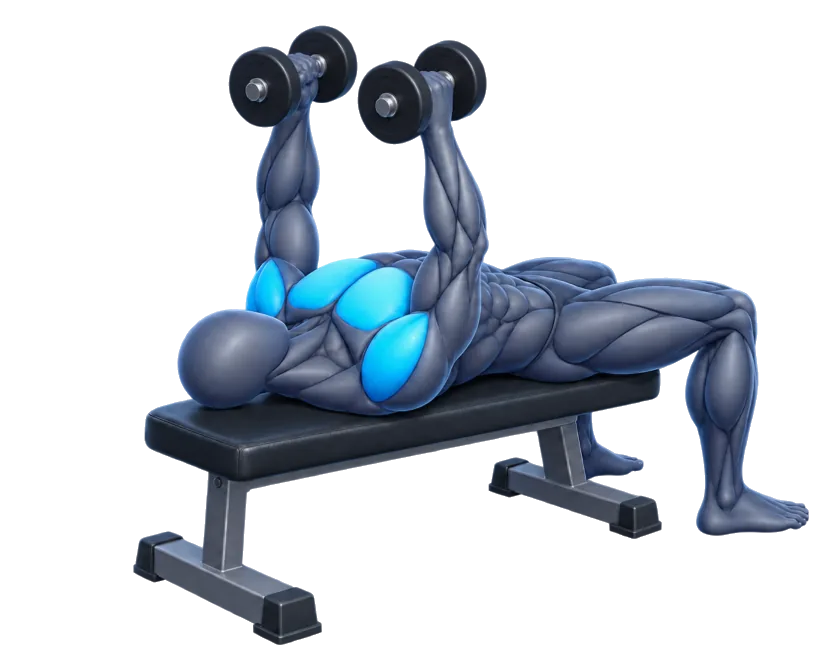
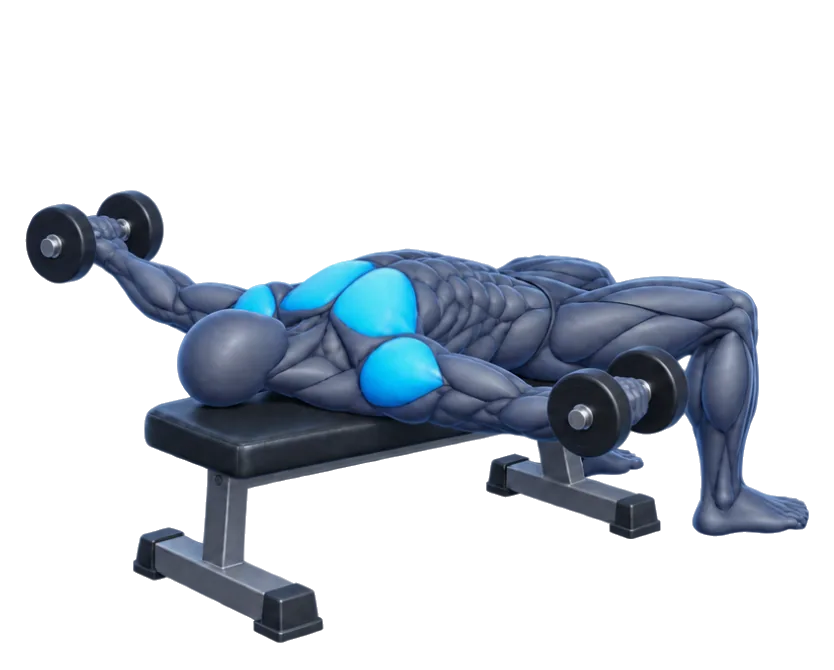
Muscles worked
Primary
- Chest
Secondary
- Shoulders
How to do the Chest Fly (Dumbbell)
- 1
Lie on a flat bench holding dumbbells over your chest, palms facing each other.
- 2
Keep a slight bend in your elbows and lock it in.
- 3
Lower your arms out to the sides in a wide arc.
- 4
Stop when your elbows are about level with the bench and you feel a chest stretch.
- 5
Squeeze your chest to bring the dumbbells back together.
- 6
Stop over your chest and repeat.
Form cues to remember
- Hug a big tree
- Soft elbows, fixed angle
- Stretch, don't drop
- Squeeze your chest, not your arms
Chest Fly (Dumbbell) video tutorial
Common mistakes
Going too heavy
Use lighter dumbbells so your shoulders stay safe.
Straightening your elbows
Hold a constant slight bend through the rep.
Dropping too low
Stop when your elbows reach bench level.
Turning it into a press
Keep your arms moving in an arc rather than pushing up.
Sets and reps
| Muscle growth | 3 sets of 10–15 reps, 60–90 sec rest |
|---|---|
| Endurance | 2–3 sets of 15–20 reps, 45–60 sec rest |
Going too deep or heavy can strain the front of your shoulder. Keep a slight elbow bend and lower under control.
Superlift for iPhone
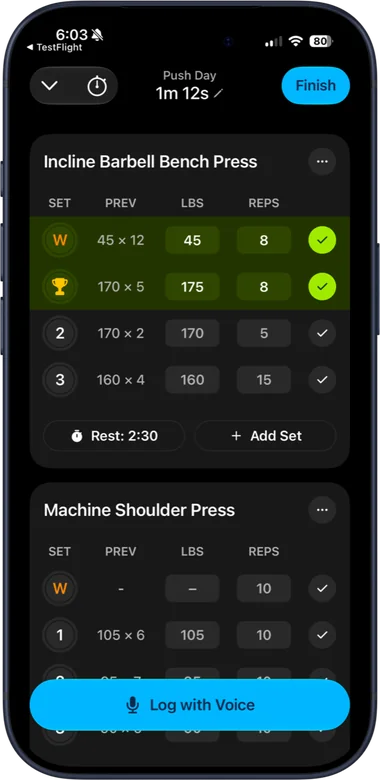
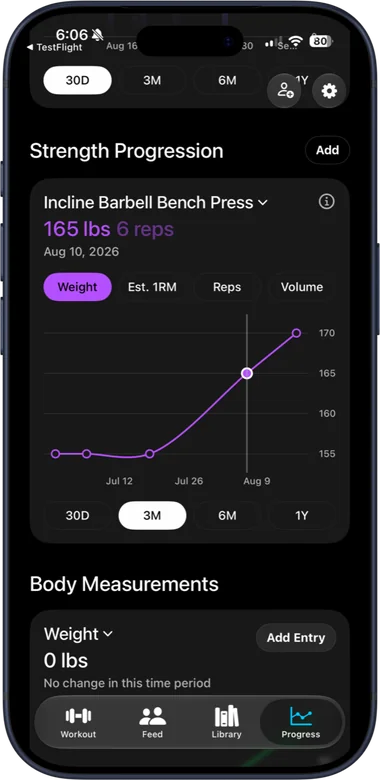
Track your Chest Fly (Dumbbell) and watch it go up
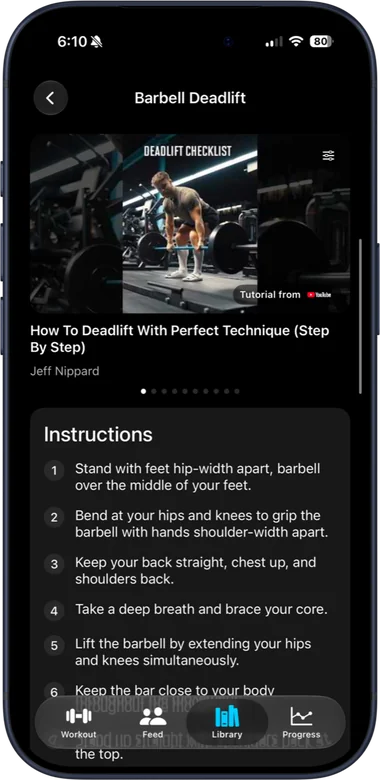
Superlift shows what you lifted last time, times your rest, and charts your strength week by week, so you always know what to beat. Every exercise in this library is built in, with the same demos and tutorials.
Chest Fly (Dumbbell) FAQ
Dumbbell chest fly vs bench press: which is better?
Flies isolate the chest and stretch it deeply, but you use much less weight. Presses build more total strength.
How heavy should chest flies be?
Light enough to control the stretch and squeeze, often much lighter than your press.
Why do I feel dumbbell chest flies in my shoulders?
You may be lowering too deep or using too much weight. Shorten the range and lighten up.