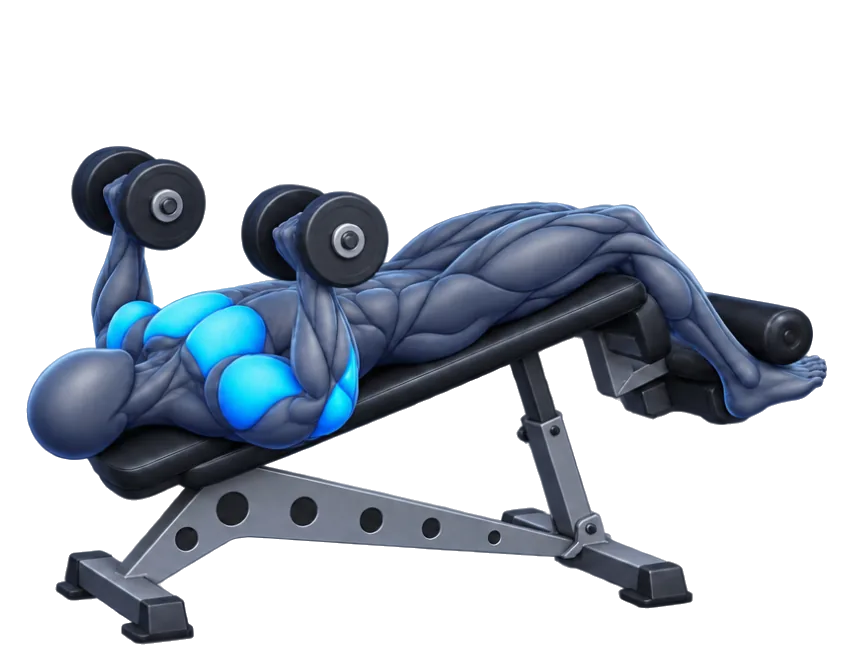
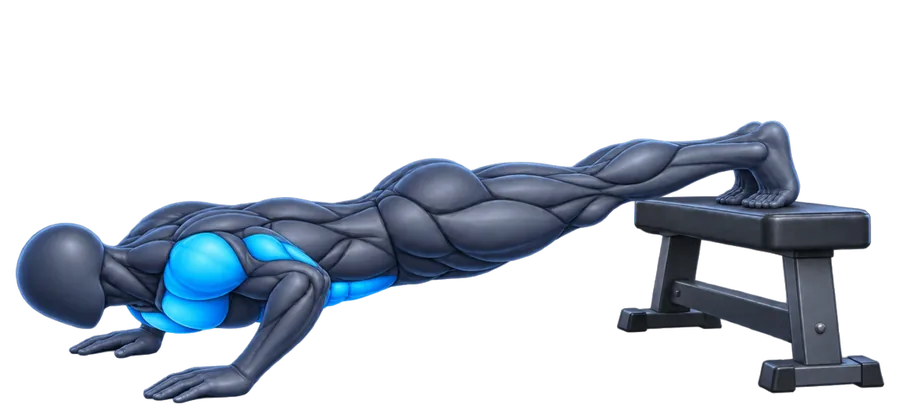
How to Do the Assisted Chest Dips
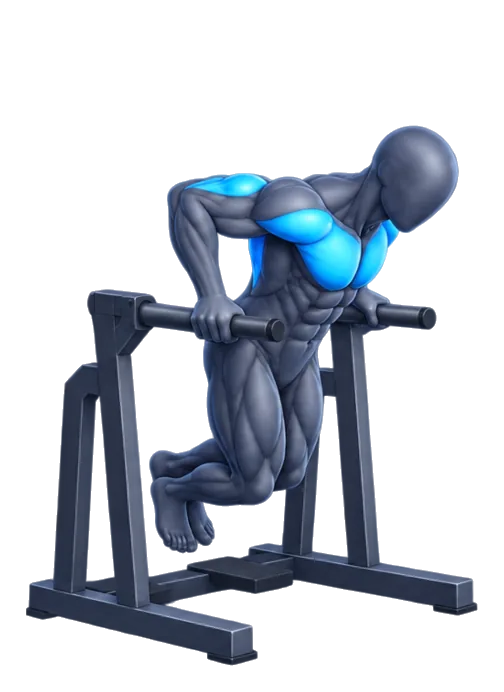
Assisted chest dips use a machine or band to take some of your bodyweight as you lean forward and lower between parallel bars. The forward lean shifts the load toward the lower chest while the triceps and shoulders help. It is a good way for beginners to build toward bodyweight chest dips.
 Log every set of your Assisted Chest Dips in Superlift
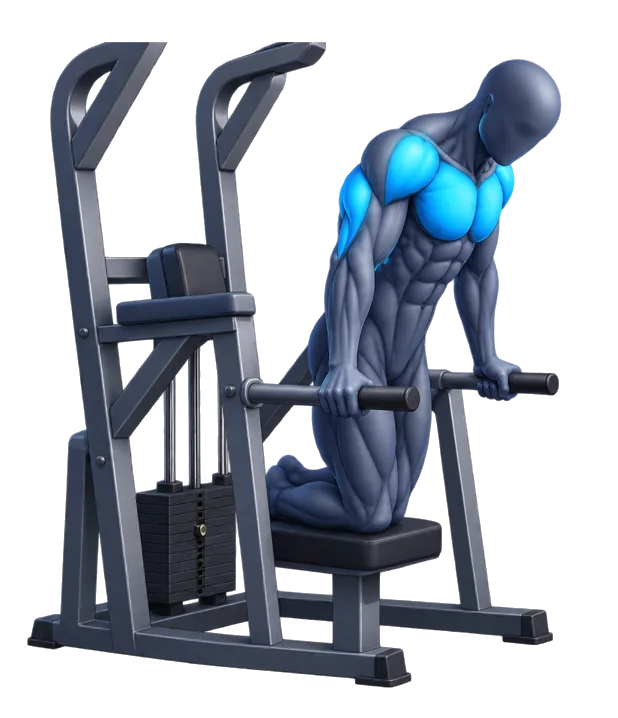
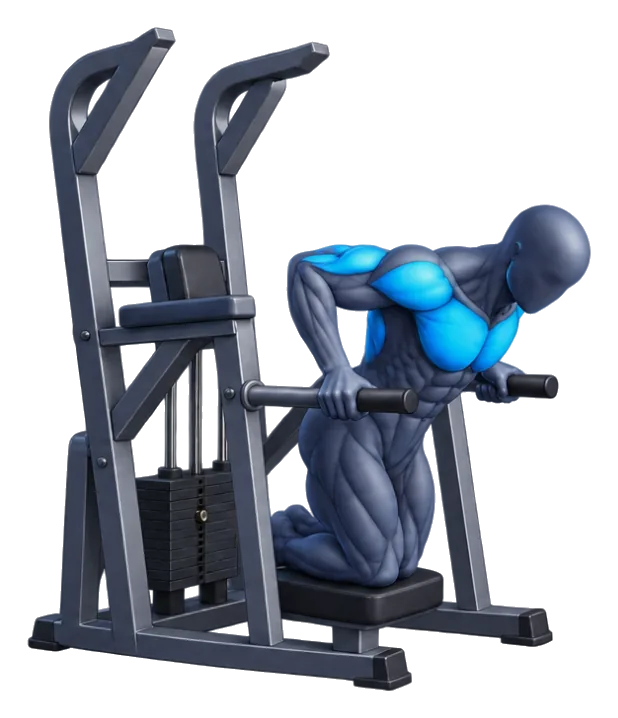
Muscles worked
Primary
- Chest
Secondary
- Triceps
- Shoulders
How to do the Assisted Chest Dips
- 1
Set the assistance weight on the machine or loop a band over the bars and under your knees.
- 2
Grip the parallel bars and lift your body with straight arms.
- 3
Lean your torso slightly forward and let your elbows flare a little.
- 4
Lower your body until your upper arms are about parallel to the floor.
- 5
Keep your chest open and your shoulders down.
- 6
Press back up to the start without locking out hard.
- 7
Reduce the assistance as you get stronger.
Form cues to remember
- Lean forward, chest over hands
- Lower until upper arms are parallel
- Shoulders down, chest open
- Press up smoothly
Common mistakes
Staying too upright
Lean your torso slightly forward to bring in the chest.
Dropping too low
Stop when your upper arms are parallel to the floor.
Shrugging the shoulders
Keep your shoulders down as you lower.
Using too much assistance
Reduce the assist gradually as you improve.
Sets and reps
| Strength | 3 sets of 6–10 reps, 90 sec rest |
|---|---|
| Muscle growth | 3 sets of 8–12 reps, 60–90 sec rest |
Dips load the front of the shoulder, so keep the depth moderate and stop if you feel pinching or pain.
Superlift for iPhone
Track your Assisted Chest Dips and watch it go up
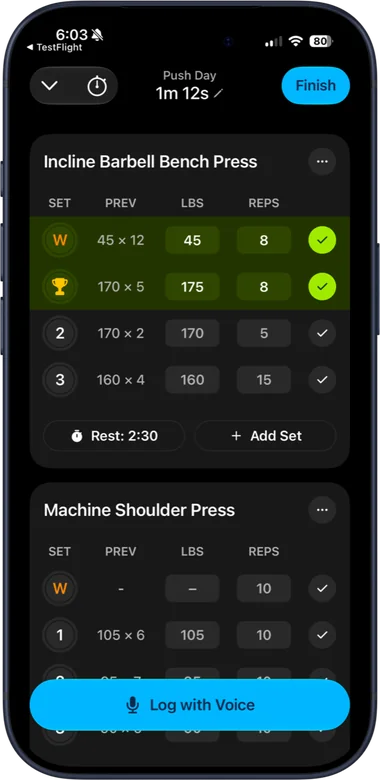
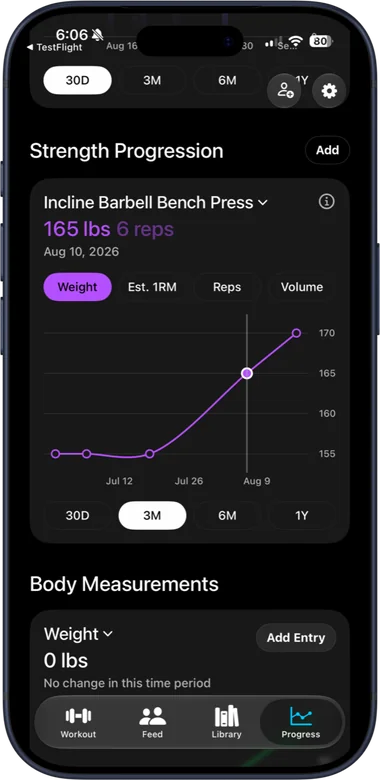
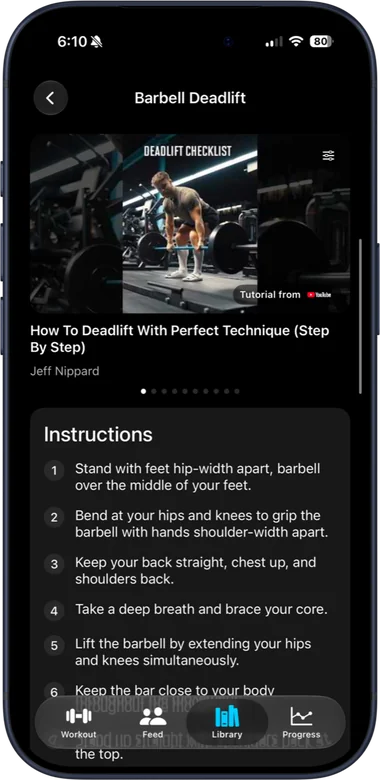
Superlift shows what you lifted last time, times your rest, and charts your strength week by week, so you always know what to beat. Every exercise in this library is built in, with the same demos and tutorials.
Assisted Chest Dips FAQ
How is a chest dip different from a tricep dip?
The chest dip leans forward and lets the elbows flare slightly, which shifts the load toward the chest. The tricep dip stays upright with elbows tucked.
How much assistance should I use on assisted chest dips?
Use enough to complete 6–10 solid reps with good form. As that gets easy, reduce the assistance a little.
Do assisted dips build the chest?
Yes, they train the lower chest along with the triceps and shoulders. Lean forward and control the lowering.