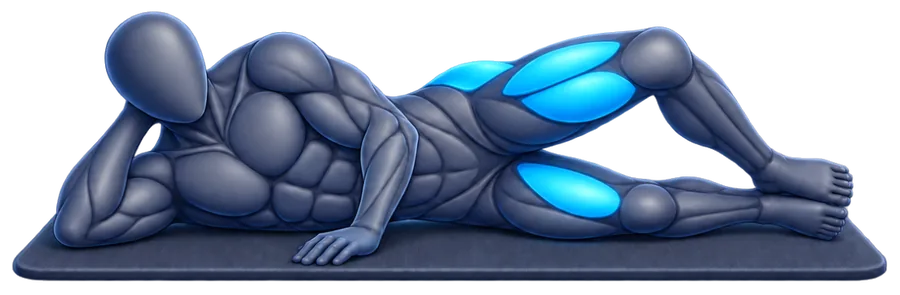
How to Do the Fire Hydrant
The fire hydrant lifts your knee out to the side on hands and knees, working the outer hip muscles that stabilize your pelvis. It is a low-impact exercise that suits beginners, warm-ups and glute activation.
 Log every set of your Fire Hydrant in Superlift
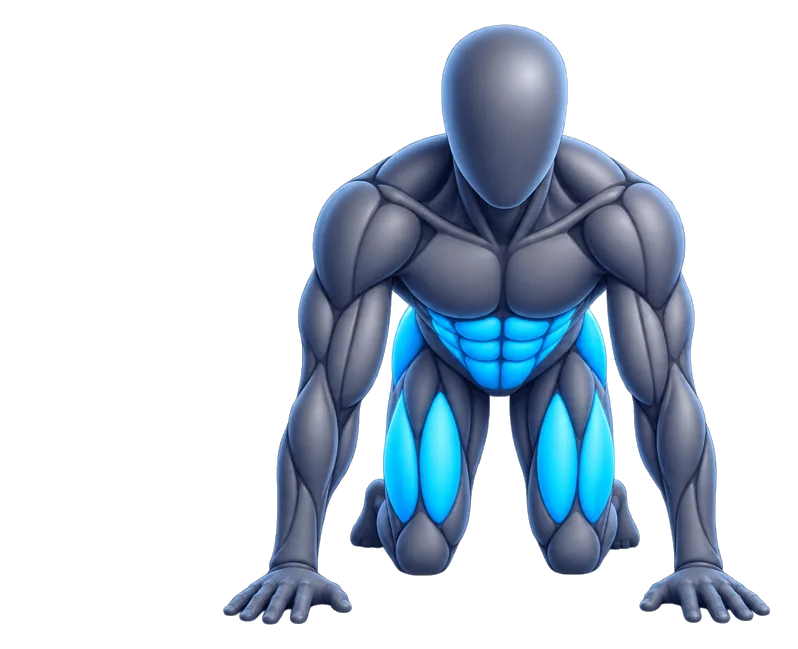
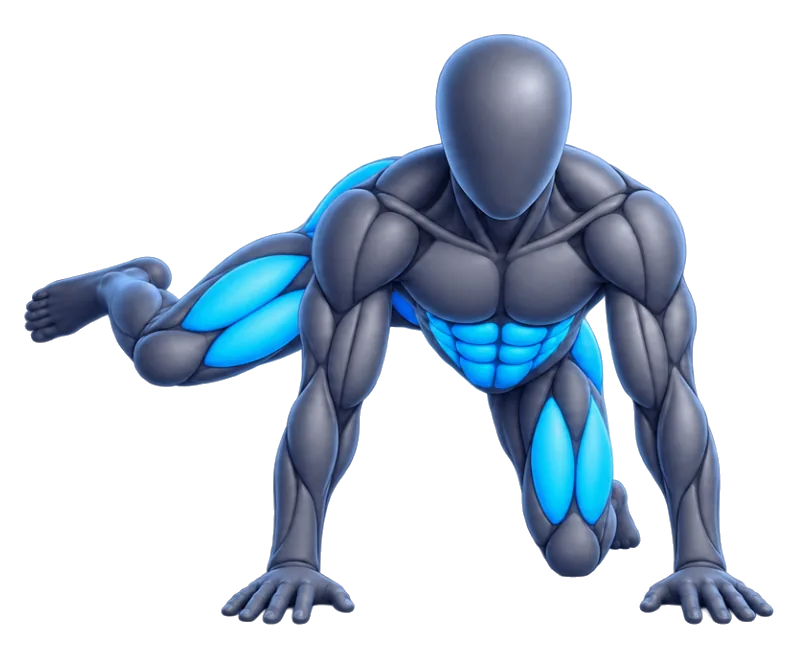
Muscles worked
Primary
- Abductors
Secondary
- Glutes
How to do the Fire Hydrant
- 1
Start on all fours with your hands under your shoulders and knees under your hips.
- 2
Brace your core and keep your back flat.
- 3
Keep your knee bent at 90 degrees and lift one leg out to the side.
- 4
Raise until your thigh is about parallel to the floor.
- 5
Pause briefly at the top.
- 6
Lower to the start slowly.
- 7
Finish all reps, then switch legs.
Form cues to remember
- Core braced, hips level
- Lift your knee, not your hip
- Pause at the top
- Slow lowering
Common mistakes
Tilting or rotating the torso
Keep your hips and shoulders level.
Shifting your weight
Stay centered over your supporting knee.
Going too fast
Take two seconds up and two down.
Lifting too high
Stop at about thigh-parallel to avoid twisting the back.
Sets and reps
| Muscle growth | 3 sets of 12–20 reps per leg, 45–60 sec rest |
|---|---|
| Endurance | 2–3 sets of 20–30 reps per leg, 30–45 sec rest |
Keep the movement small and controlled to protect your lower back. Pad your knees if the floor is hard.
Superlift for iPhone
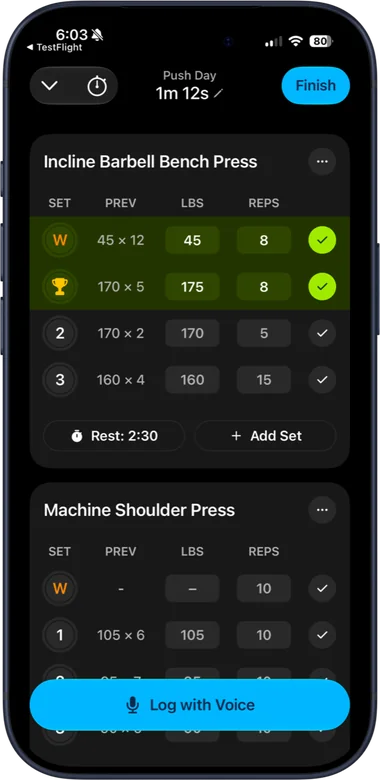
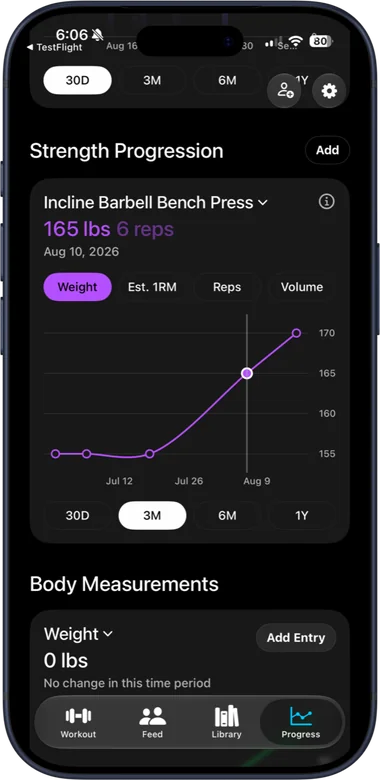
Track your Fire Hydrant and watch it go up
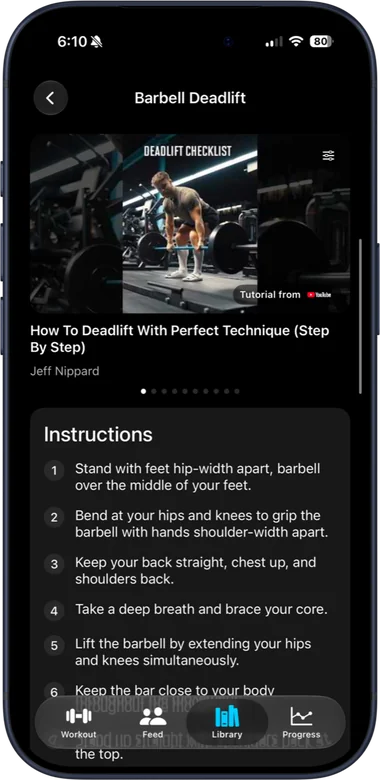
Superlift shows what you lifted last time, times your rest, and charts your strength week by week, so you always know what to beat. Every exercise in this library is built in, with the same demos and tutorials.
Fire Hydrant FAQ
What muscles do fire hydrants work?
The gluteus medius and minimus on the outer hip, along with the glute max. They help stabilize your pelvis.
How do I make fire hydrants harder?
Add a resistance band above your knees, use ankle weights, or pause at the top.
Fire hydrant or clamshell?
Both target the outer hip. The fire hydrant works in a more upright position, and the clamshell is easier on the knees.