How to Do the Hanging Oblique Knee Raise
The hanging oblique knee raise adds a twist to the standard knee raise so your side abs work harder. You hang from a bar and pull your knees toward one hip. It suits lifters who can already do hanging knee raises cleanly.
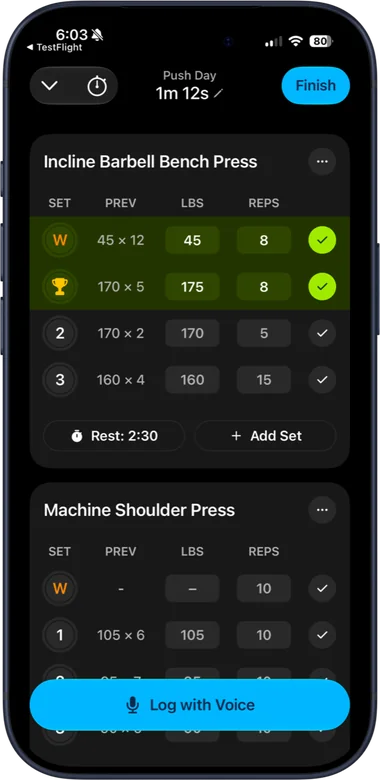
 Log every set of your Hanging Oblique Knee Raise in Superlift
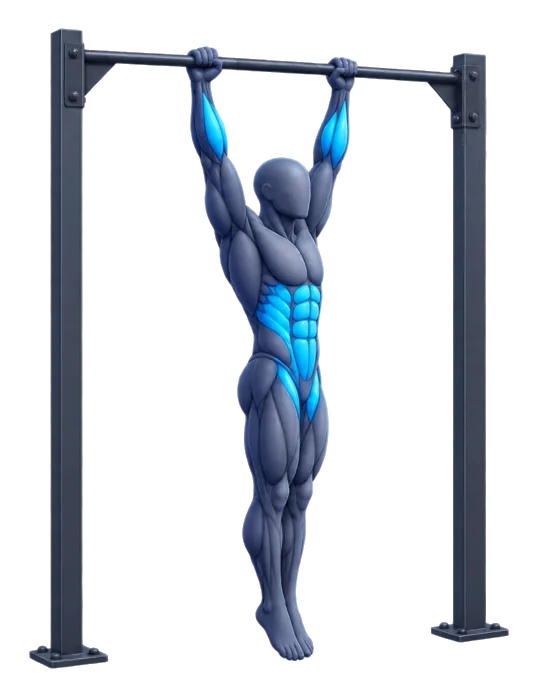
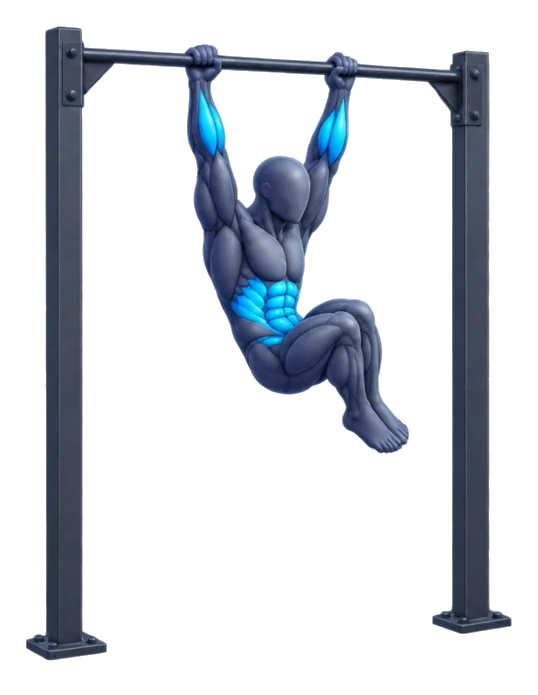
Muscles worked
Primary
- Obliques
Secondary
- Abs
- Forearms
How to do the Hanging Oblique Knee Raise
- 1
Hang from a pull-up bar with arms straight and shoulders engaged.
- 2
Brace your abs and tuck your pelvis slightly.
- 3
Lift your knees toward one side, rotating your hips.
- 4
Aim your knees toward your elbow on that side.
- 5
Squeeze at the top for a moment.
- 6
Lower slowly to the start.
- 7
Alternate sides or finish one side first.
Form cues to remember
- Rotate your pelvis, not your shoulders
- Lift with your abs
- Lower under control
- Keep swinging to a minimum
Common mistakes
Swinging side to side
Pause at the bottom and start each rep from a still hang.
Twisting the shoulders
Keep your upper body steady and rotate only through your hips.
Only lifting the thighs
Curl the pelvis up so the abs do the work.
Dropping the legs
Lower for two to three seconds.
Sets and reps
| Muscle growth | 3 sets of 8–12 reps per side, 90 seconds rest |
|---|---|
| Strength | 3 sets of 6–8 slow reps per side |
| Endurance | 2–3 sets of 12–15 reps per side |
Hanging with twisting can strain your shoulders, grip, and lower back. If it hurts, go back to straight hanging knee raises.
Superlift for iPhone
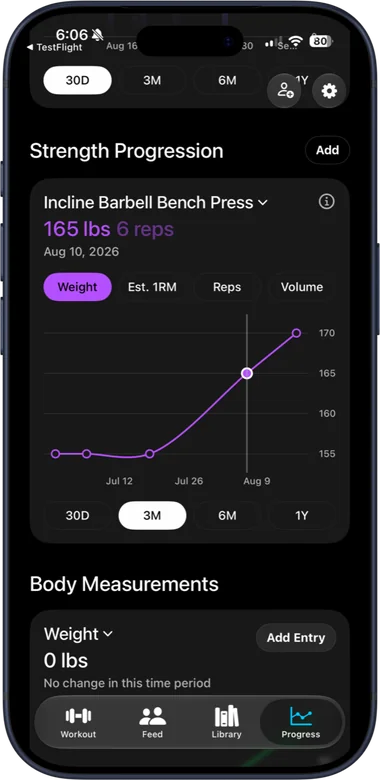
Track your Hanging Oblique Knee Raise and watch it go up
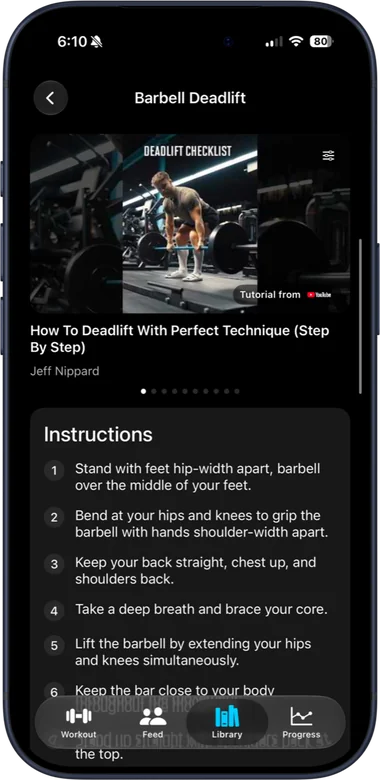
Superlift shows what you lifted last time, times your rest, and charts your strength week by week, so you always know what to beat. Every exercise in this library is built in, with the same demos and tutorials.
Hanging Oblique Knee Raise FAQ
Hanging oblique knee raise vs. standard knee raise?
The oblique version adds rotation, shifting work to the side abs. The standard version is easier and works the front abs more.
How do I make the hanging oblique knee raise easier?
Do regular hanging knee raises first, or use a captain's chair. Build slowly into the twist.
Why does my grip give out first on hanging oblique knee raises?
Your forearms work the whole time you hang. Use straps for the last sets if you want to focus on your abs.