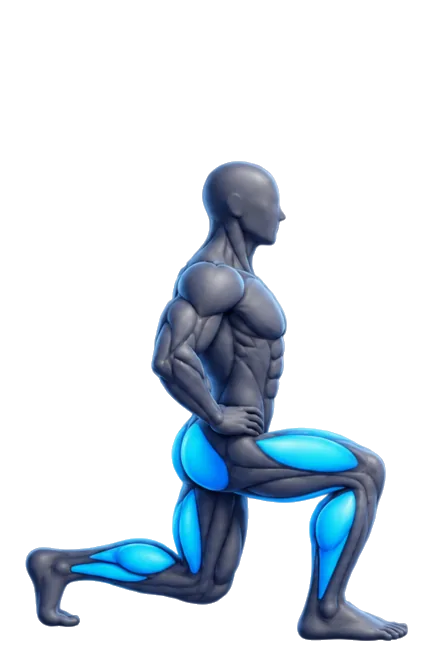
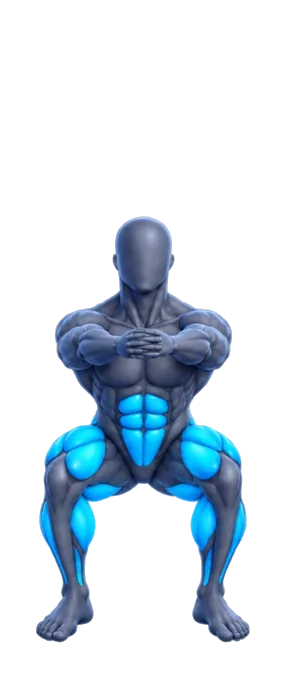
How to Do the Walking Lunges
Walking lunges send you forward with each step, training the quads, glutes and balance together. The moving pattern adds a cardio and coordination challenge that static lunges lack. It suits anyone with enough floor space who wants a leg builder.
 Log every set of your Walking Lunges in Superlift
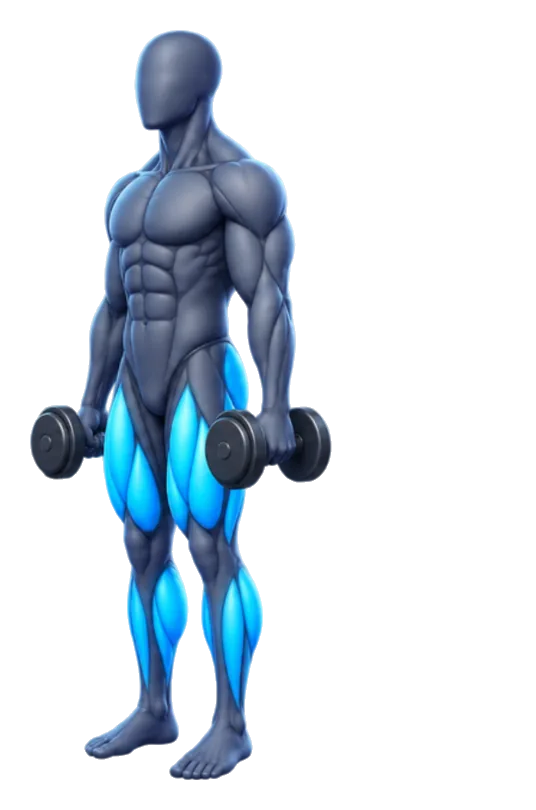
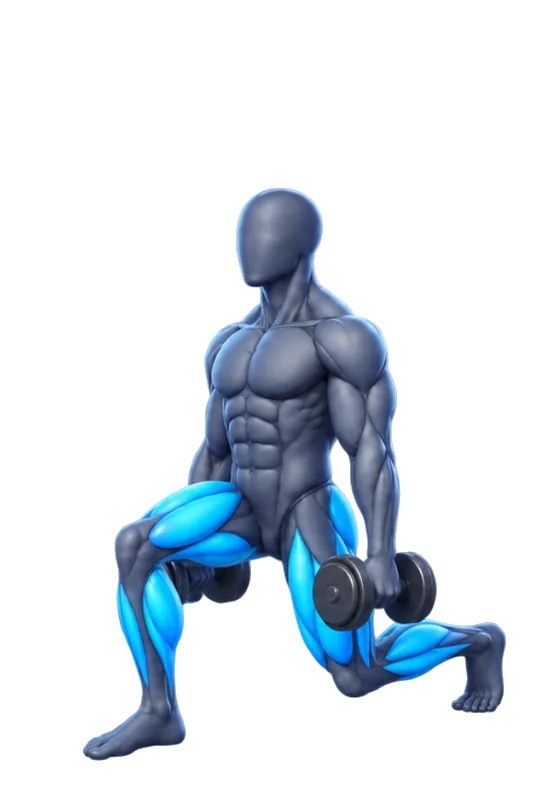
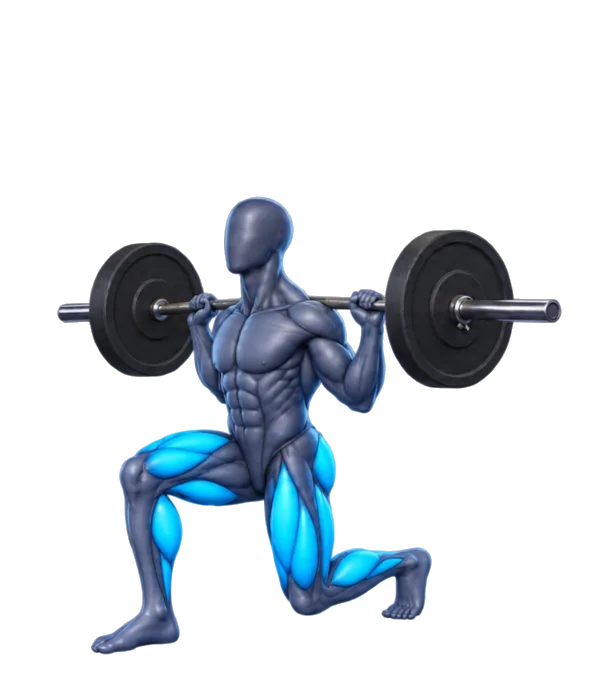
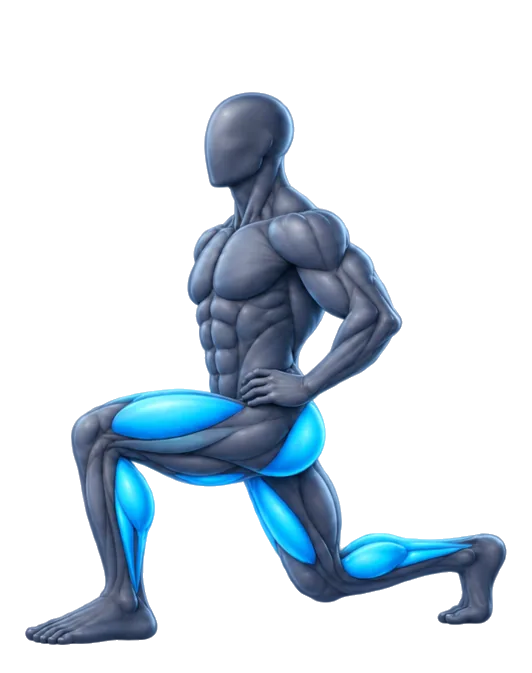
Muscles worked
Primary
- Quads
- Glutes
Secondary
- Hamstrings
- Calves
How to do the Walking Lunges
- 1
Stand tall holding a dumbbell in each hand at your sides.
- 2
Step forward with one leg about a stride and a half long.
- 3
Lower your back knee toward the floor until your front thigh is parallel.
- 4
Keep your torso upright and your front knee over your foot.
- 5
Push through your front heel and bring your back foot forward.
- 6
Step into the next lunge with the opposite leg.
Form cues to remember
- Long, steady steps
- Back knee toward the floor
- Torso tall
- Push through your front heel
Common mistakes
Short steps
Take a longer step so your front shin stays near vertical.
Torso tipping forward
Keep your chest up and your abs braced.
Knee caving in
Track your front knee over your second toe.
Rushing
Control each step instead of falling into it.
Sets and reps
| Muscle growth | 3 sets of 10–12 steps per leg, 90 sec rest |
|---|---|
| Conditioning | 3–4 sets of 20–30 steps, 60 sec rest |
Walking lunges are tough on the knees if you slam into each step. Use lighter weights first and stop if you feel sharp knee pain.
Superlift for iPhone
Track your Walking Lunges and watch it go up
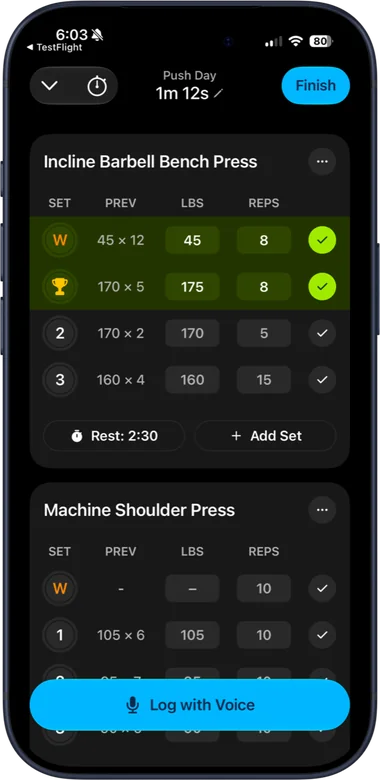
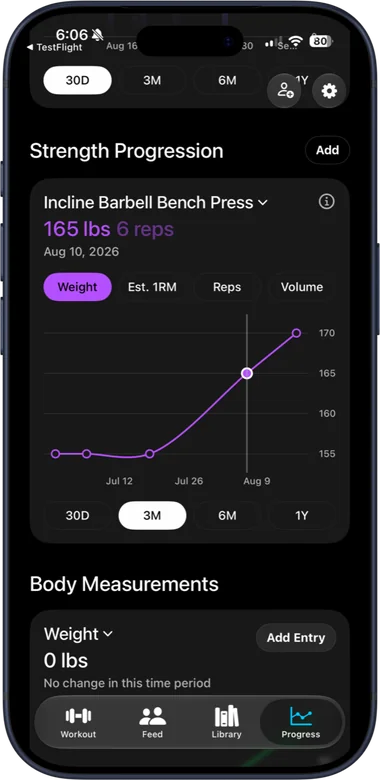
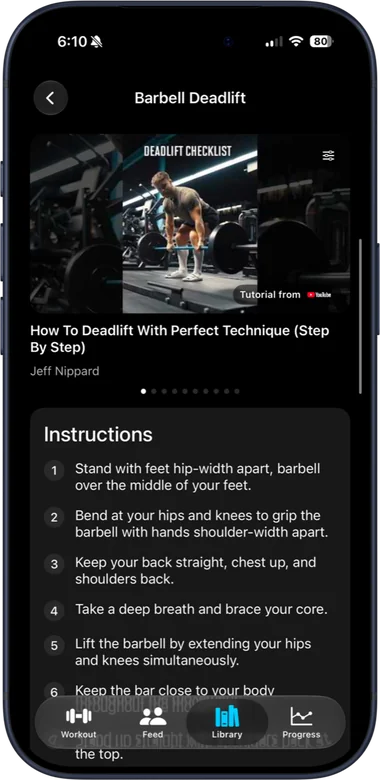
Superlift shows what you lifted last time, times your rest, and charts your strength week by week, so you always know what to beat. Every exercise in this library is built in, with the same demos and tutorials.
Walking Lunges FAQ
How many walking lunges should I do?
Aim for 10–12 steps per leg for muscle, or 20–30 total for conditioning. Add weight when the set gets easy.
Walking lunges vs reverse lunges?
Reverse lunges are easier on the knees. Walking lunges are more demanding on balance and cover distance.
What muscles do walking lunges work?
Mostly quads and glutes, with the hamstrings and calves helping.