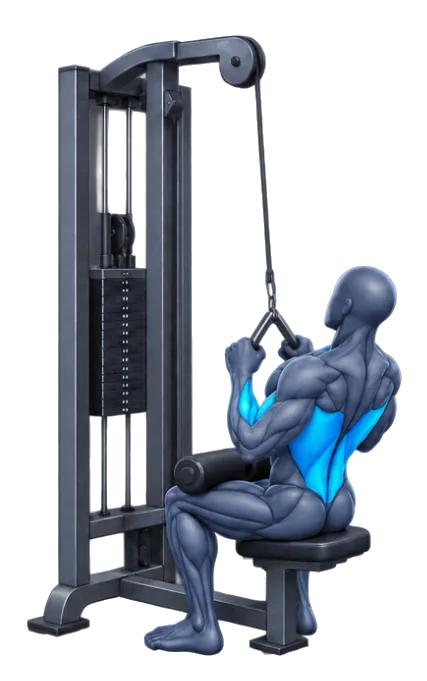
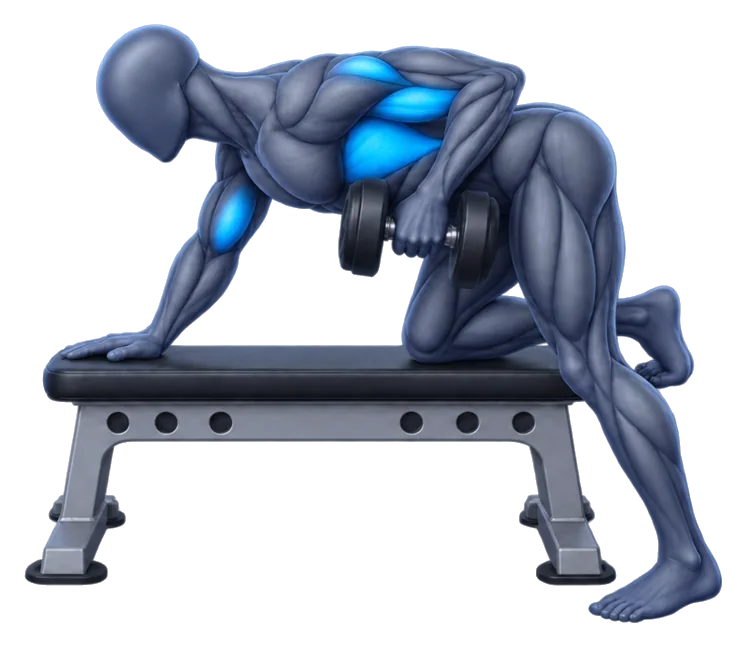
How to Do the Smith Machine Bent-Over Row
The Smith machine bent-over row trains the back with a bar on a fixed path, which lowers the balance demand. It lets you pull heavy while hinged at the hips. It suits lifters who want a stable rowing option with a bar.
 Log every set of your Smith Machine Bent-Over Row in Superlift
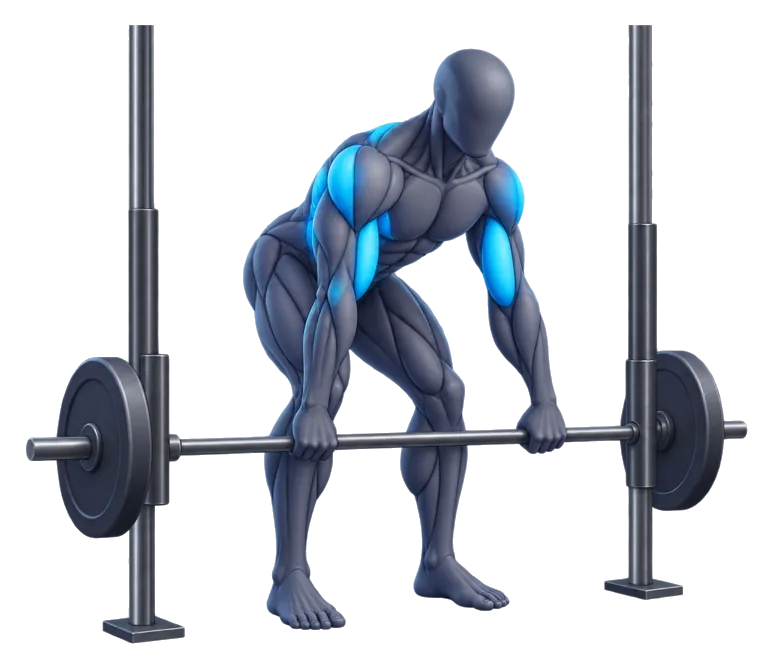
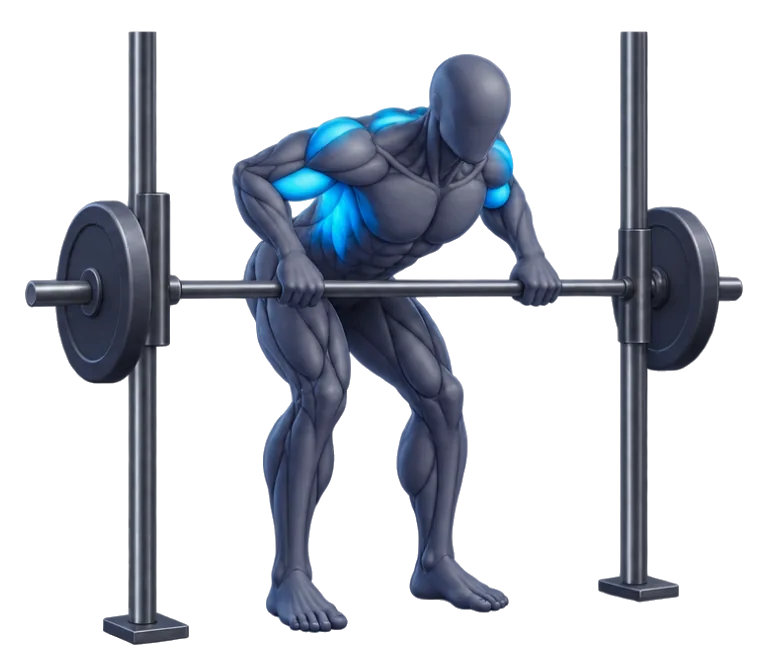
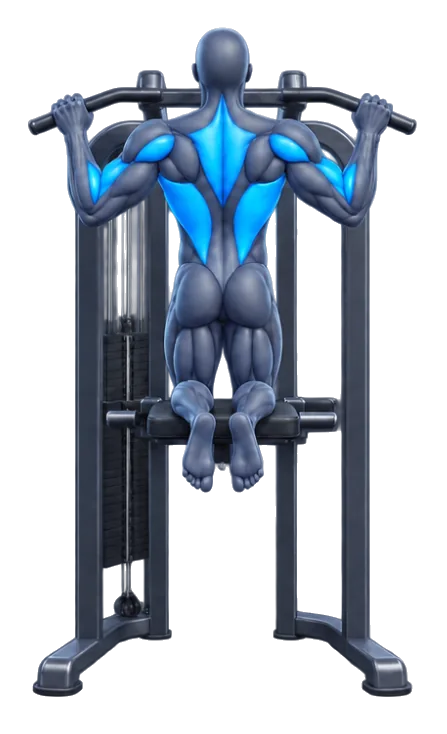
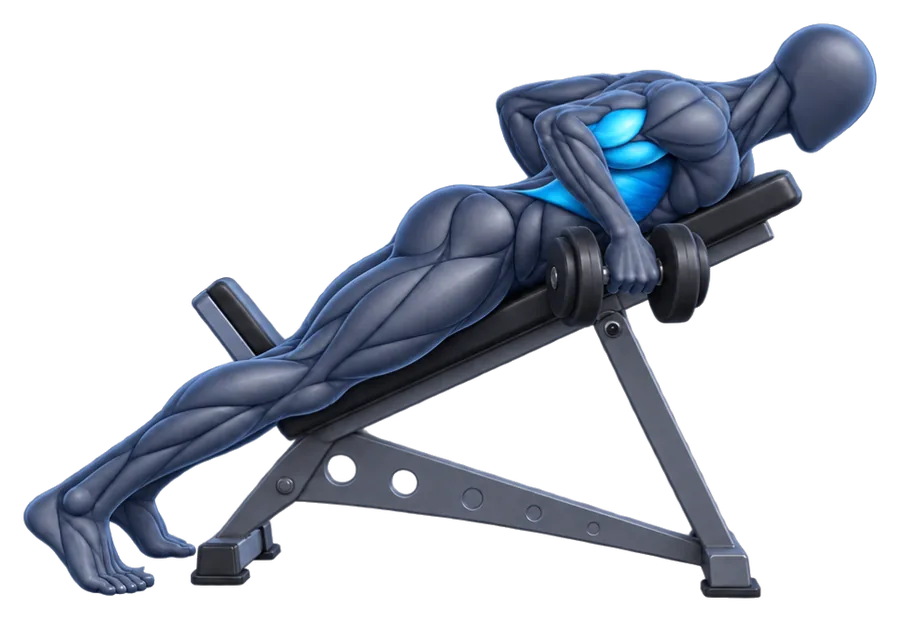
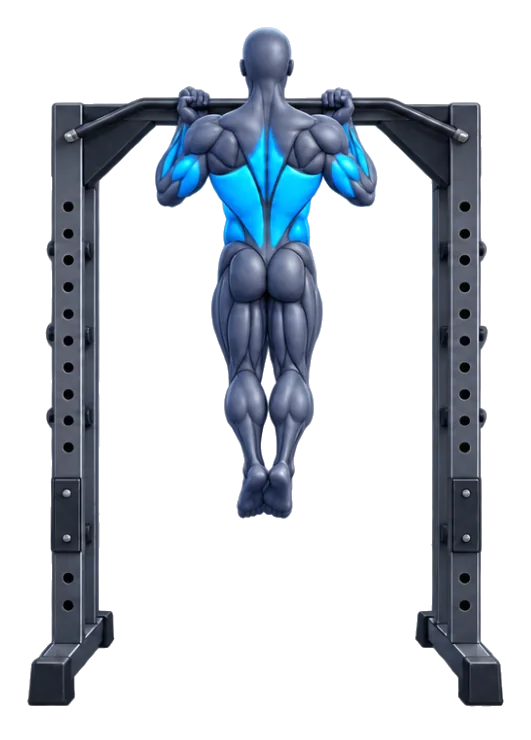
Muscles worked
Primary
- Lats
Secondary
- Biceps
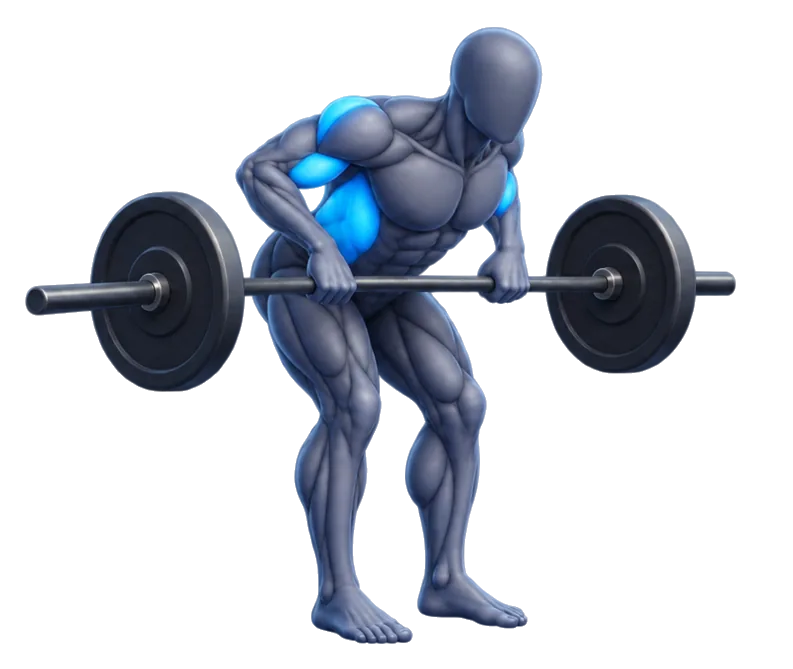
How to do the Smith Machine Bent-Over Row
- 1
Set the bar around knee height and stand facing it with feet shoulder width.
- 2
Hinge at your hips with a flat back until your torso is near 45 degrees.
- 3
Grip the bar slightly wider than shoulder width and unhook it.
- 4
Brace your core and pull your elbows back.
- 5
Row the bar to your lower chest or upper stomach.
- 6
Squeeze your shoulder blades together.
- 7
Lower under control.
Form cues to remember
- Hinge, don't squat
- Pull with your elbows
- Keep your back flat
- Squeeze at the top
Common mistakes
Standing up as you row
Hold your hip hinge angle the whole set.
Rounding the back
Lower the weight and keep your chest proud.
Using momentum
Pause at the top and use a lighter load.
Bar path too far from your body
Stand close to the rail so the bar travels near your legs.
Sets and reps
| Muscle growth | 3–4 sets of 8–12 reps, 90 seconds rest |
|---|---|
| Strength | 3–5 sets of 5–8 reps, 2 minutes rest |
| Endurance | 2–3 sets of 12–15 reps |
Holding a hinge with weight stresses the lower back. Keep it flat, stay light on form days, and stop if you feel pain.
Superlift for iPhone
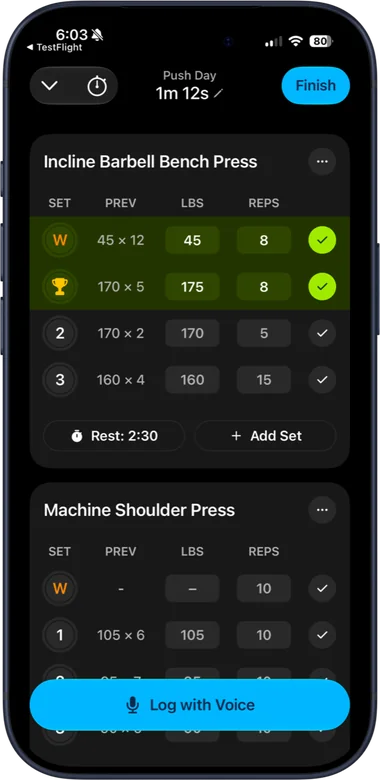
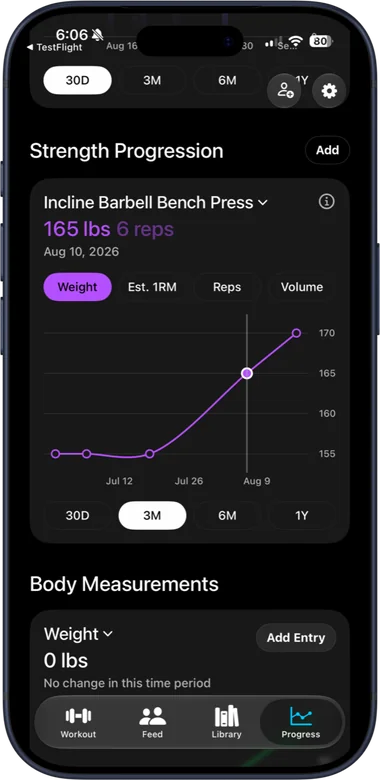
Track your Smith Machine Bent-Over Row and watch it go up
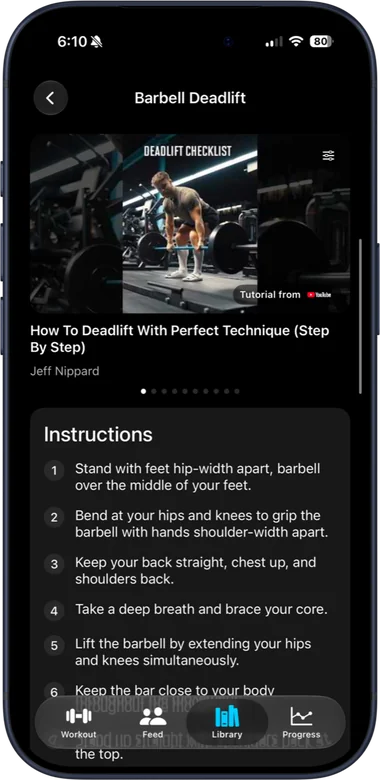
Superlift shows what you lifted last time, times your rest, and charts your strength week by week, so you always know what to beat. Every exercise in this library is built in, with the same demos and tutorials.
Smith Machine Bent-Over Row FAQ
Smith machine row vs. barbell row?
The Smith machine is more stable, but the fixed path may not suit every body. The barbell allows a natural arc.
What muscles does the Smith machine row work?
It targets the lats and upper back, with the biceps assisting.
Overhand or underhand grip?
Overhand shifts work to the upper back; underhand brings in more biceps and lats. Use whichever feels comfortable for your wrists and shoulders.