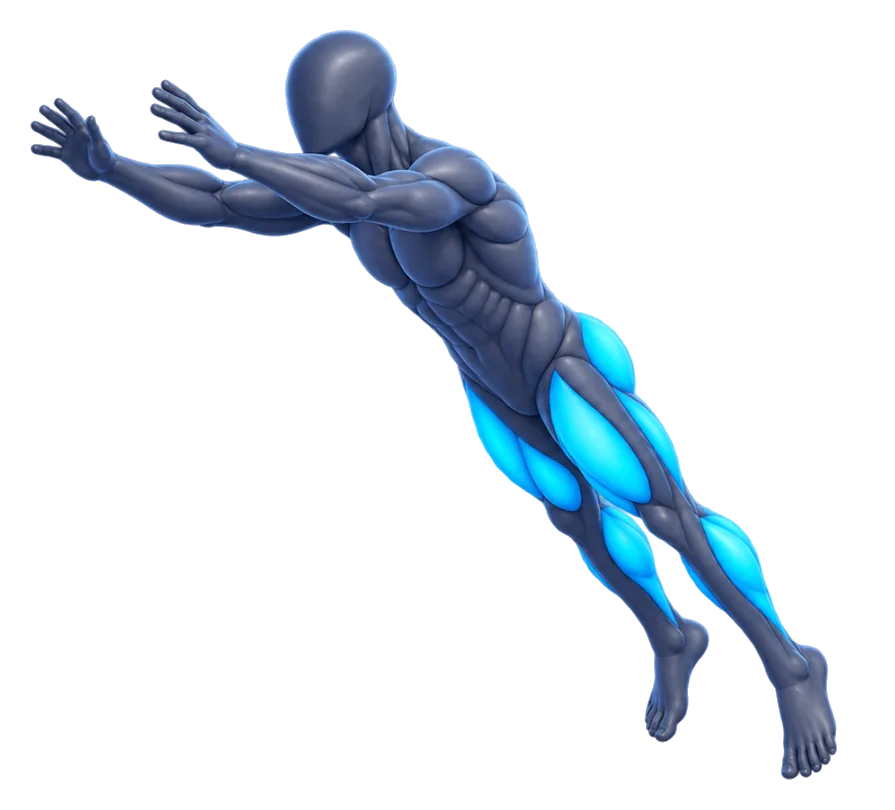
How to Do the Skater Jump
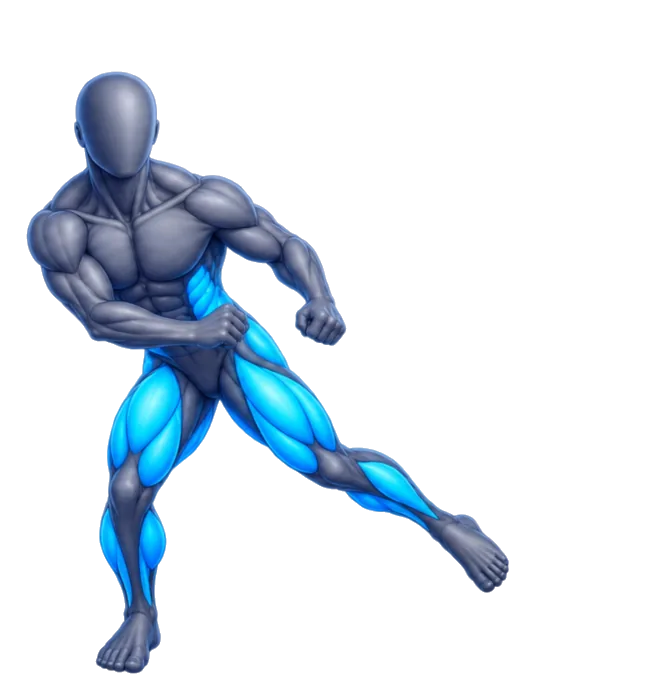
The skater jump is a lateral leap from one leg to the other, like a speed skater, with your trailing leg sweeping behind you. It builds glute and quad strength, balance and side-to-side power. It is a beginner-friendly plyometric that works as cardio or leg conditioning.
 Log every set of your Skater Jump in Superlift
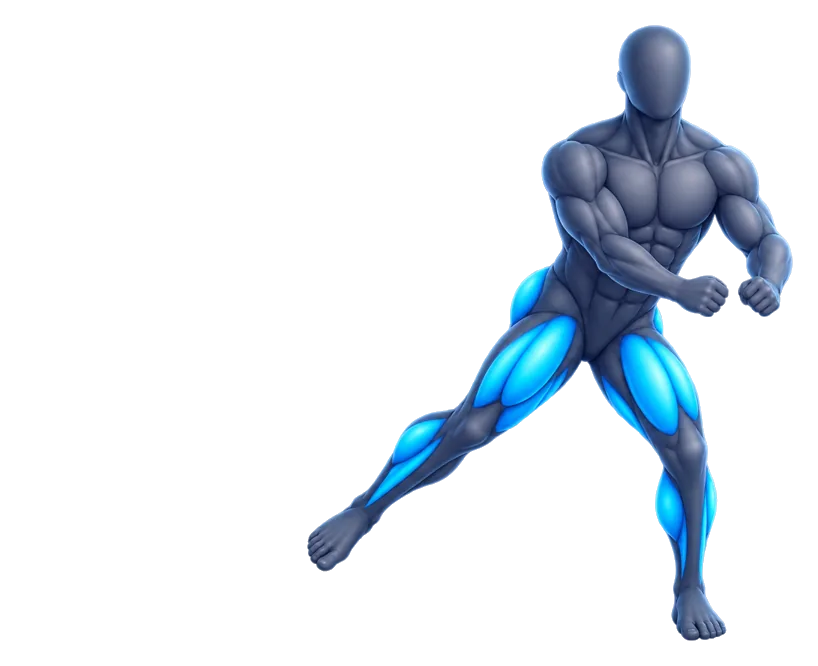
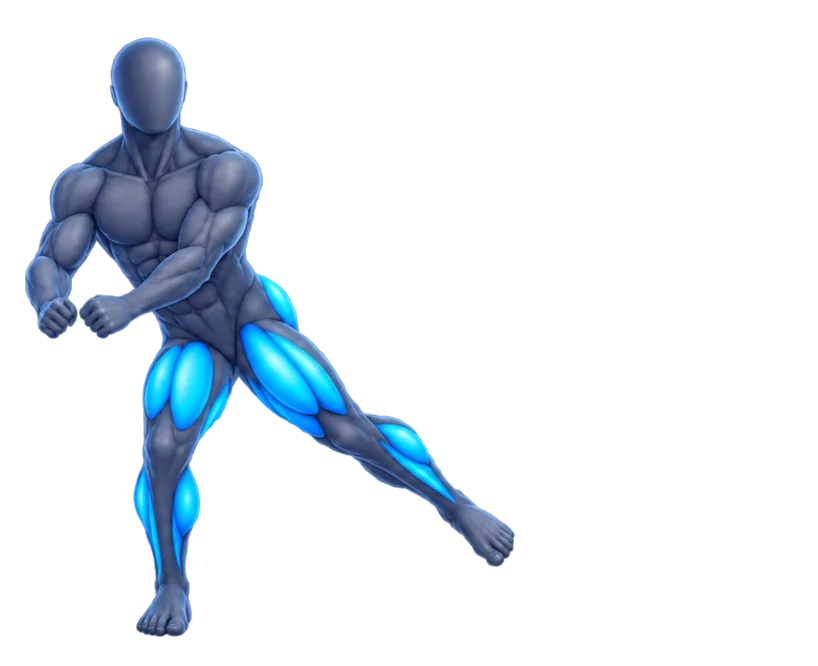
Muscles worked
Primary
- Glutes
- Quads
Secondary
- Hamstrings
- Calves
How to do the Skater Jump
- 1
Stand on one leg with a slight bend in your knee.
- 2
Push off and leap sideways to the opposite foot.
- 3
Land softly on your other foot with your knee bent.
- 4
Sweep your trailing leg behind you without touching down.
- 5
Hinge slightly at your hips and let your arms swing for balance.
- 6
Pause briefly to stabilize if needed.
- 7
Bound right back to the other side and repeat.
Form cues to remember
- Land softly, knee bent
- Chest tall, hips back
- Swing your arms
- Control each landing
Common mistakes
Landing with a stiff knee
Bend your knee and absorb the landing through your hip.
Knee caving inward
Keep your knee tracking over your toes.
Leaping too far
Choose a distance you can land and hold with control.
Rushing and losing balance
Pause on each landing until you are stable, then speed up.
Sets and reps
| Conditioning | 4–6 rounds of 30 seconds, with 30 seconds rest |
|---|---|
| Strength | 3 sets of 8–12 reps per side, with 60 seconds rest |
The lateral landing stresses your ankles and knees, so start with small hops. Skip it if you have knee or ankle pain.
Superlift for iPhone
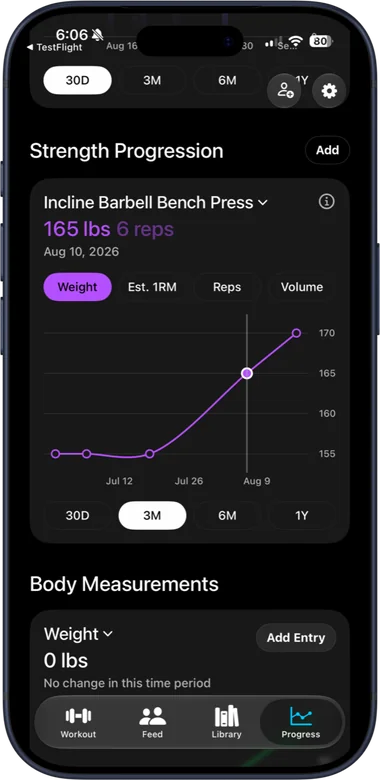
Track your Skater Jump and watch it go up
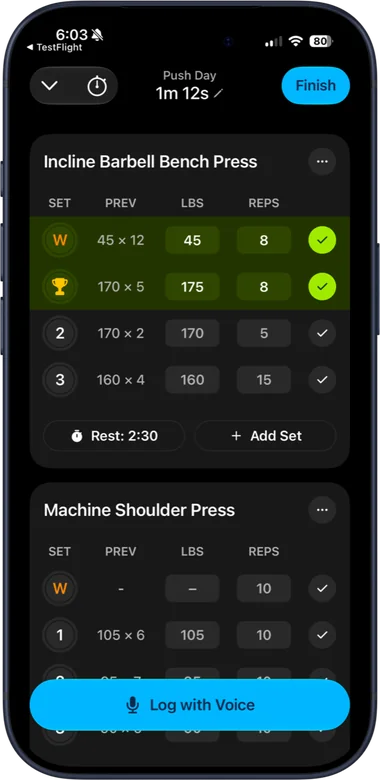
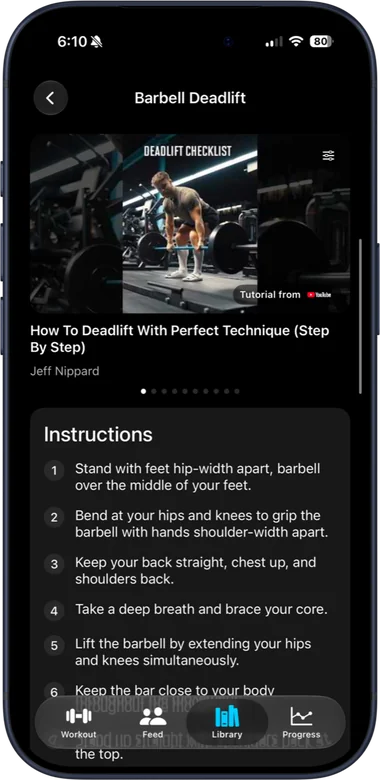
Superlift shows what you lifted last time, times your rest, and charts your strength week by week, so you always know what to beat. Every exercise in this library is built in, with the same demos and tutorials.
Skater Jump FAQ
What muscles do skater jumps work?
Mainly your glutes and quads, with your hamstrings and calves helping with the push and landing.
Are skater jumps good for beginners?
Yes, if you keep the jumps small and land softly. Reduce the distance or tap your trailing foot to make it easier.
Why do skater jumps bother my ankles or hips?
Usually the landing is too stiff or the leap is too long. Land softly on a bent knee, stick the landing for a second and keep the jumps small until it feels stable.